Study Abroad: How Indian Students Can Choose the Right Country
How to Choose the Right Country for Studying Abroad: A Checklist for Indian Students
The dream of studying abroad is a powerful one for many Indian students. It promises world-class education, global exposure, and enhanced career prospects. However, the crucial first step – choosing the right country – can be overwhelming. With a plethora of options, each with its unique offerings and challenges, a systematic approach is essential. This checklist is designed to guide Indian students through the decision-making process, ensuring they select a destination that aligns perfectly with their academic aspirations, financial realities, and personal preferences.

1. Academic Excellence and Program Availability
The primary driver for studying abroad is education. Therefore, the first checkpoint is to assess the academic standing of potential countries and universities. Consider Course Relevance and Specialization: ask yourself, does the country offer renowned programs in your field of interest? Look for universities with strong departments and research opportunities in your chosen specialization. When it comes to University Rankings and Reputation, while not the sole determinant, global university rankings can offer insights into the quality of education and research output; consider rankings specific to your subject area. It's also vital to understand the Teaching Methodology and Language of Instruction. What is the teaching style – is it lecture-based, interactive, or research-oriented? Ensure the primary language of instruction is one you are proficient in, typically English for most Indian students, though some countries might require proficiency in their local language.
2. Financial Planning and Affordability
Studying abroad is a significant financial investment. A clear understanding of the costs involved is crucial. Research Tuition Fees, as these vary significantly between countries and universities; look into average tuition costs for your desired program in different nations. You must also consider Living Expenses, including the cost of accommodation, food, transportation, and other daily necessities, which can differ vastly from bustling cities to smaller towns. Explore Scholarship and Funding Opportunities, looking into scholarships, grants, and financial aid options available specifically for Indian students, as many countries and universities offer such support. Finally, understand the regulations regarding Part-time Work Opportunities for international students; this can help offset some living expenses but shouldn't be the primary funding source.
3. Visa Requirements and Immigration Policies
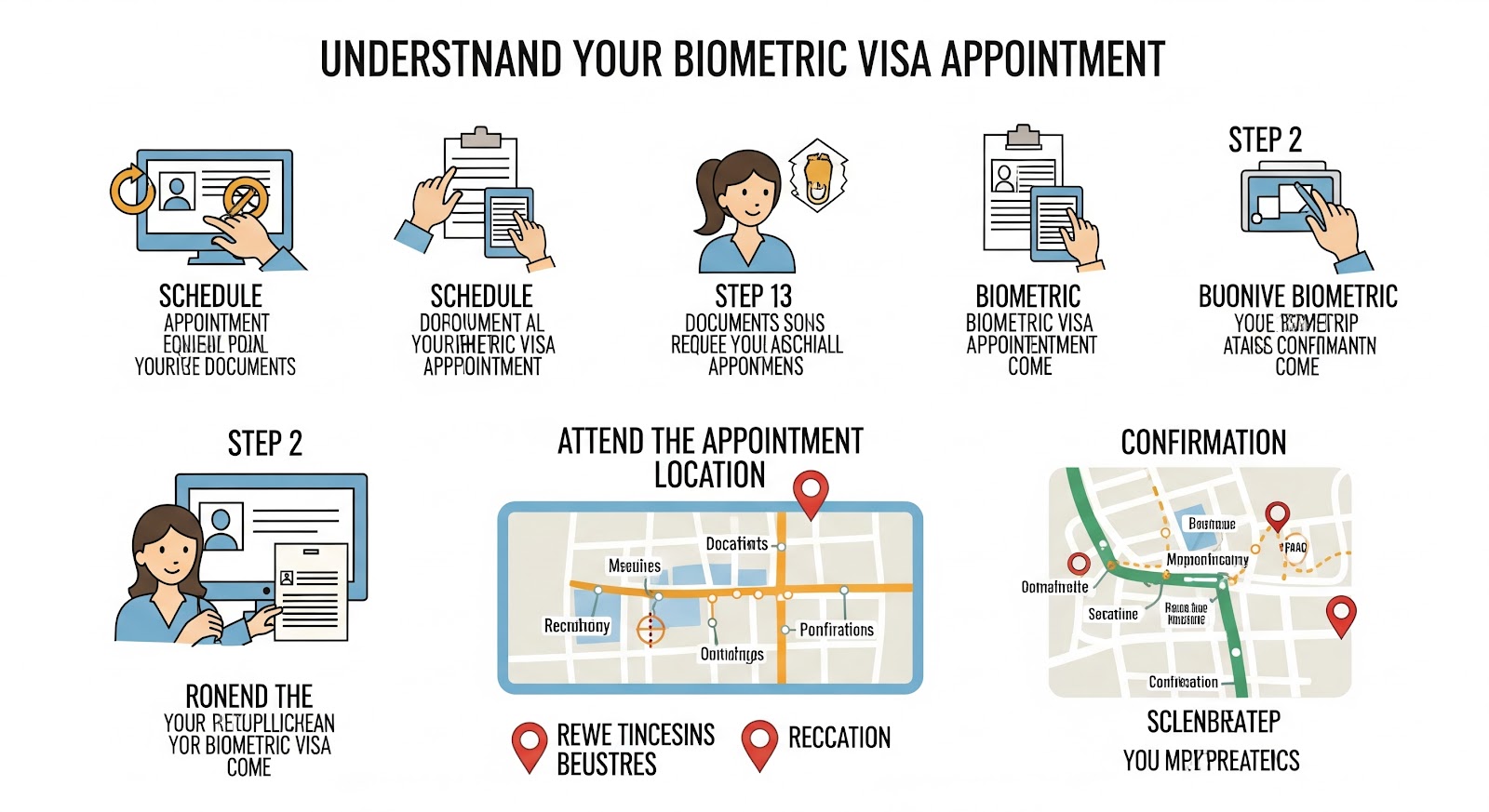
Navigating the student visa process can be complex, so early research is key. Investigate the Student Visa Application Process, including the specific visa requirements for Indian students for each country on your shortlist, such as documentation, financial proof, and processing times. If you intend to gain international work experience after graduation, explore Post-Study Work Options in countries with favorable policies, as this can be a significant factor in your long-term career goals. Also, consider the Ease of Visa Acquisition, as some countries might have more streamlined visa processes than others.
4. Cultural Adjustment and Lifestyle
Moving to a new country involves adapting to a different culture and lifestyle. Think about the Cultural Environment: consider the local culture, customs, and social norms, and whether you are comfortable with the level of cultural difference. In terms of Language and Communication, while your course might be in English, learning the local language can significantly enhance your experience and integration. Research the Safety and Inclusivity record of the country and the general attitude towards international students, particularly from India, looking for a welcoming and inclusive environment. The Indian Community Presence can also be a factor, as a diaspora can offer a sense of community and support, especially during the initial adjustment period.
5. Career Opportunities and Global Recognition
Your foreign degree should ideally open doors to global career opportunities. Ensure the International Recognition of Degree from your chosen country and university is well-recognized globally, especially in India and other countries where you might seek employment. Research the availability of Internship and Job Prospects during your studies and for graduates in your field within that country. A strong Alumni Network can also provide valuable connections and career support.


Comments
Post a Comment