Budgeting for Your Business Trip: 2025 Visa Fees by Country
Planning an international business trip involves meticulously budgeting for flights, accommodation, and daily expenses. However, a crucial upfront cost that professionals often miscalculate is the visa fee. This essential expenditure is your ticket to entry, and its cost can vary significantly depending on your destination. For Indian professionals gearing up for global business in 2025, understanding the full spectrum of visa-related costs is the first step in successful financial planning.
This guide provides a fresh, detailed breakdown of business visa fees for key countries, helping you budget accurately and avoid last-minute financial surprises.

The Anatomy of a Visa Fee
Before we dive into country-specific numbers, it’s vital to understand that the final amount you pay is often more than just the advertised visa fee. The total cost is typically composed of several elements:
Base Application Fee: Also known as the Machine Readable Visa (MRV) fee for the US, this is the core charge that goes directly to the embassy or consulate for processing your application.
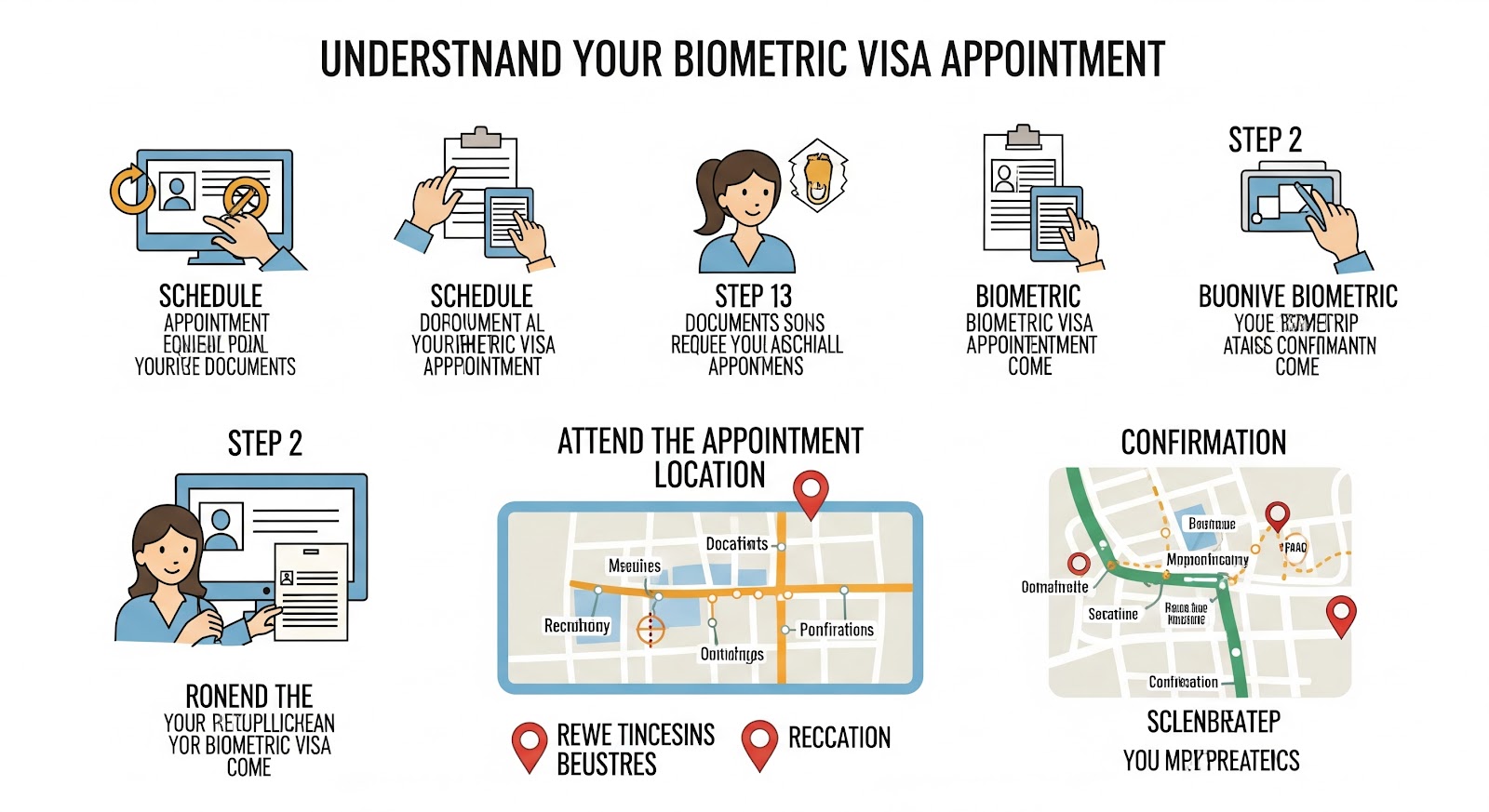
Biometrics Fee: Most countries now require you to provide fingerprints and a photograph as part of the application. This service usually comes with a separate, mandatory fee.
Visa Application Centre (VAC) Service Fee: In India, most visa applications are managed by third-party centres like VFS Global. They charge a service fee for their role in collecting documents, biometrics, and managing logistics. This is typically non-negotiable.
Optional Service Fees: VACs offer a range of add-on services for convenience, such as priority processing, premium lounge access, SMS updates, and courier return of your passport, all at an extra cost.
2025 Business Visa Fees for Indian Citizens
Here are the current, all-in estimated costs for a standard, short-term business visa from India. The amounts in INR are approximate and subject to daily exchange rate fluctuations. Always verify the final amount during the payment process.
United States (B-1/B-2 Visa):
Fee: $185 USD
Approximate Cost: ₹15,500
Note: The fee is fixed in USD. This single fee covers the application and the interview. There are no separate biometric or service charges if you book directly through the official portal.
United Kingdom (Standard Visitor Visa):
Fee: £115 (for a standard 6-month visa)
Approximate Cost: ₹12,000
Note: The UK also has options for longer-term visitor visas (2, 5, or 10 years) with significantly higher fees. Priority services can add anywhere from £250 to £1000 to the cost. The VFS service fee is additional.
Schengen Area (Type C Business Visa):
Fee: €90
Approximate Cost: ₹8,200
Note: This is a standardized fee for most of the 29 Schengen countries. On top of this, you will pay a VFS service fee, which is typically around ₹1,800 - ₹2,000.
Canada (Business Visitor Visa):
Application Fee: CAD $100
Biometrics Fee: CAD $85
Total Approximate Cost: CAD $185 (approx. ₹11,300)
Note: For Canada, the biometrics fee is mandatory and paid along with the application fee. A VAC service fee will also apply.
Australia (Subclass 600 - Business Visitor Stream):
Fee: AUD 190
Approximate Cost: ₹10,500
Note: Australia's fee is for the visa application itself. Additional VAC service fees for collecting biometrics and application submission will be charged separately.
Plan Ahead to Avoid Hidden Costs
When you budget for your visa, always account for the base fee, mandatory biometric and service charges, and potential courier fees. By anticipating the full cost, you ensure a smoother, more predictable application journey, letting you focus on the business at hand.
Frequently Asked Questions (FAQs)
1. Are visa fees refundable if my application is rejected?
No. Visa application fees are for the processing of your application and are non-refundable, regardless of whether your visa is approved or denied.
2. Can I pay visa fees in Indian Rupees (INR)?
Yes, in most cases. While fees are set in a foreign currency (USD, EUR, GBP, etc.), the payment portals managed by VACs in India will convert the total amount to INR at the current exchange rate for you to pay via local methods like credit/debit cards, net banking, or UPI.
3. Why do I have to pay extra fees at the Visa Application Centre (VFS Global)?
The extra fees cover the operational costs of the VAC, which include services like collecting your application and documents, taking your biometric data (fingerprints and photo), and securely transmitting your file to the embassy. This is a mandatory service charge for most countries.
4. How often do visa fees change?
Visa fees can change without much notice. Governments periodically review their fees based on processing costs, inflation, and reciprocal agreements. It is crucial to check the official embassy or VAC website for the most current fee structure right before you start your application.
5. Does the visa fee include the cost of getting my passport back?
Typically, no. The standard process requires you to collect your passport from the VAC once a decision is made. If you want your passport delivered to your home or office, you must opt for the courier return service, which comes at an additional cost.


Comments
Post a Comment