Digital Nomad Visas for Indians: Work Remotely & Explore the World
Digital Nomad Visas for Indians: Work Remotely & Explore the World
The rise of remote work has sparked a global revolution, enabling professionals to combine their careers with a passion for travel. For Indian citizens, this has opened up exciting new avenues through the advent of digital nomad visas. These specialized immigration permits allow individuals to live and work remotely in a foreign country, typically for an extended period longer than a tourist visa, without requiring local employment.
For a generation of Indian professionals, digital nomad visas offer the tantalizing prospect of experiencing new cultures, exploring diverse landscapes, and enhancing their work-life balance, all while maintaining their existing remote roles or freelance careers.

What is a Digital Nomad Visa?
A digital nomad visa is a type of residence permit specifically designed for individuals who earn their income from sources outside the host country and can perform their work remotely using technology. Unlike traditional work visas, they don't require a local employer or a significant investment in the host country. Instead, they cater to freelancers, self-employed individuals, and remote employees whose jobs are location-independent.
The aim of these visas for host countries is to attract high-earning individuals who will contribute to the local economy through their spending on accommodation, food, services, and tourism, without impacting the local job market.
Key Requirements for Indian Applicants (General)
While specific requirements vary by country, common criteria for Indian citizens applying for a digital nomad visa typically include:
Proof of Remote Income: This is the most crucial element. You must demonstrate a stable and sufficient income earned from outside the host country. The minimum income threshold varies significantly by country, ranging from approximately €2,000 to over €4,000 per month. Acceptable proof includes:
Employment contracts with foreign companies.
Freelance contracts or service agreements with international clients.
Bank statements (usually for the last 3-6 months) showing consistent income.
Tax returns.
Health Insurance: Comprehensive international health insurance valid for the entire duration of your stay in the host country, covering medical emergencies, hospitalization, and repatriation, is almost always mandatory.
Clean Criminal Record: A police clearance certificate (PCC) from India, and sometimes from any other country where you've resided for a significant period, is typically required. This document often needs to be apostilled or legalized.
Valid Passport: Your passport must be valid for at least six months beyond your intended stay, with sufficient blank pages.
Proof of Accommodation: While not always required for the initial application, you may need to show proof of a rental agreement, hotel booking, or an address in the host country for the initial period.
Declaration of Remote Work: A sworn statement or letter confirming your intention to work remotely for non-local clients/employers and that you will not seek employment within the host country's labor market.
Application Fee: There will be a non-refundable visa application fee, which also varies significantly by country.
Popular Countries Offering Digital Nomad Visas for Indians
A growing number of countries have launched digital nomad visa programs, making it increasingly easier for Indian professionals to pursue this lifestyle. Some popular destinations include:
Portugal: Portugal's "D8 Visa" (often referred to as the Digital Nomad Visa, distinct from the D7 Passive Income Visa) specifically targets remote workers. It requires proof of an income around four times the Portuguese minimum wage (currently around €3,040 per month as of early 2025). It offers a pathway to temporary residency and eventually permanent residency.
Spain: Spain's Digital Nomad Visa, launched in 2023, is highly attractive due to its vibrant culture and good infrastructure. It targets non-EU/EEA citizens working remotely for foreign companies or as freelancers with foreign clients. The minimum income requirement is around €2,646 per month for the main applicant, with additional funds for family members. It offers a residency permit for up to 5 years.
Estonia: A pioneer in digital solutions, Estonia launched its digital nomad visa (D-visa or C-visa depending on stay duration) in 2020. It requires proof of remote work and a minimum monthly income of €4,500 (gross).
Croatia: Croatia offers a Digital Nomad Residence Permit, allowing remote workers to stay for up to one year. Applicants need to show a stable income and usually no local tax obligations.
Germany: While not a traditional "digital nomad visa," Germany offers a "Freelance Visa" or "Self-Employment Visa" which can be utilized by digital nomads. It often requires demonstrating a clear business plan and potential clients (sometimes even local ones for freelancers).
Greece: Greece's Digital Nomad Visa allows non-EU citizens to live and work remotely for up to one year, renewable for a further year. A minimum income of €3,500 per month is required.
Italy: Italy recently launched its Digital Nomad Visa (effective April 2024) for highly skilled professionals working remotely for non-Italian companies. It requires proof of income (minimum threshold to be confirmed), health insurance, and a clean criminal record.
Hungary: The "White Card" visa allows remote workers to stay for one year, renewable for another year. It requires proof of income and a clear remote work setup.
Dubai (UAE): Dubai offers a one-year "Virtual Working Program" or remote work visa, requiring a minimum monthly income of $3,500-$5,000, depending on if you are an employee or business owner.
Mexico: Mexico's Temporary Resident Visa can be an option for digital nomads, allowing stays for up to four years. It generally has a lower income threshold compared to some European countries.
Thailand: Thailand's Long-Term Resident (LTR) visa has a "highly-skilled professional" category that can cater to digital nomads, though it typically has a higher income requirement. They also have a general "digital nomad visa" on the horizon.
Mauritius: The Mauritius Premium Travel Visa allows digital nomads to stay and work for up to a year.
Note: India does not currently have a dedicated digital nomad visa for foreign nationals wishing to work remotely from India. While there have been discussions, remote work on a tourist visa in India is not permitted. Foreigners usually utilize a business visa or other categories for longer stays.
The Application Process for Indian Citizens
The general application process for a digital nomad visa from India involves:
Research & Choose Country: Thoroughly research the specific requirements, income thresholds, and application procedures for your chosen country.
Gather Documents: Collect all necessary personal, financial, and remote work documents. Ensure any non-English documents are officially translated.
Online Application/Embassy Submission: Most countries will have an online application portal, or you may need to apply directly at the embassy or consulate of the chosen country in India (or their designated visa application center like VFS Global).
Pay Fees: Pay the visa application and any associated processing or health surcharges.
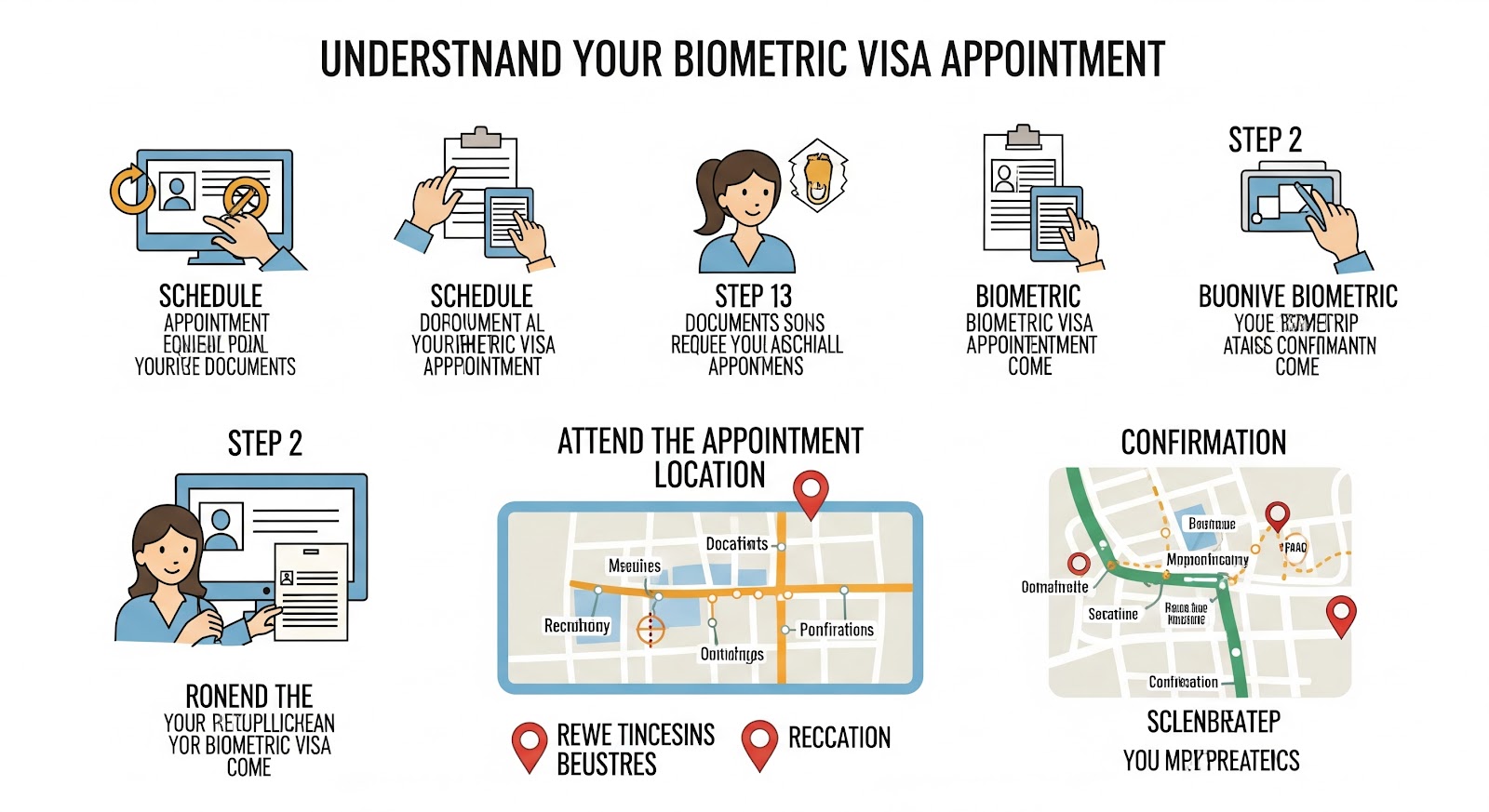
Biometric Appointment (if required): Attend an appointment to provide fingerprints and a digital photograph.
Interview (if required): Some countries may require a personal interview.
Await Decision: Processing times can range from a few weeks to several months.
Travel & Register: Upon approval, travel to the host country and complete any local registration requirements (e.g., getting a tax ID, reporting your arrival).
Benefits of Digital Nomad Visas for Indians
Legal Stay & Work: Provides a legitimate way to live and work in a foreign country, avoiding the complexities and legal risks of working on a tourist visa.
Cultural Immersion: Offers a deep dive into local culture, lifestyle, and traditions beyond a short vacation.
Cost of Living Advantage: Many digital nomad-friendly countries offer a lower cost of living than major Indian cities, allowing for a higher quality of life.
Global Networking: Opportunities to connect with diverse international communities and build a global professional network.
Enhanced Work-Life Balance: The freedom to choose your environment can lead to better well-being and productivity.
Tax Advantages: Some countries offer tax exemptions or favorable tax regimes for digital nomads for a certain period on their foreign-sourced income. However, understanding your tax obligations in both India and the host country is crucial.
Family Inclusion: Many digital nomad visas allow dependents (spouses and children) to join the main applicant, though additional income proof may be required.
For Indian professionals ready to embrace a flexible, adventurous, and global lifestyle, digital nomad visas are a compelling and increasingly accessible option. Careful planning and adherence to the specific requirements of the chosen destination are key to unlocking this exciting new chapter.


Comments
Post a Comment