Doing Business in the Emerald Isle: Your Guide to the Ireland Business Visa
Ireland, a vibrant hub at the crossroads of Europe and the Atlantic, offers a compelling environment for business. With its highly educated workforce, pro-business government policies, and status as a gateway to the European Union, it's an attractive destination for companies looking to expand or invest. For those intending to conduct business activities in Ireland, understanding the correct visa pathway is crucial.
It's important to clarify that Ireland does not have a single visa explicitly called a "business visa." Instead, your purpose of visit will determine the type of short-stay or long-stay visa you need. For most short-term business engagements, a Short Stay 'C' Business Visa is the appropriate choice. For those looking to establish a long-term business presence or invest significantly, specific long-stay options or immigration programmes are available.

Short Stay 'C' Business Visa: Your Gateway for Brief Engagements
This visa category is designed for individuals who intend to visit Ireland for a temporary period (up to 90 days) to engage in business-related activities. This includes, but is not limited to:
Attending business meetings, conferences, or training.
Negotiating contracts or deals.
Conducting market research or feasibility studies.
Visiting a branch of your company.
Participating in business-related events or trade fairs.
It is crucial to understand that a Short Stay Business Visa does not permit you to take up employment in Ireland, provide services, or engage in direct sales to the public. If your intention is to work, even temporarily, a work permit or employment visa would be required.
Key Requirements for a Short Stay 'C' Business Visa:
Applying for this visa requires meticulous preparation and a comprehensive set of documents to prove your genuine intent to conduct business and then depart Ireland. Typical requirements include:
Visa Application Form: Completed online, printed, and signed.
Passport: Valid for at least six months beyond your intended departure date from Ireland, with at least two blank pages.
Recent Passport-Sized Photographs: Meeting specific Irish visa photo requirements.
Cover Letter: A detailed letter from you explaining the purpose of your visit, duration of stay, and your intention to return to your home country.
Invitation Letter from Irish Company/Organisation: This is a crucial document. It must be on company letterhead, detailing:
The purpose of your visit.
Dates of your visit.
Accommodation details.
Confirmation of who will bear the costs (e.g., travel, accommodation).
Contact person in Ireland.
Letter from Your Employer (if applicable): On company letterhead, stating your position, purpose of travel, and confirmation of your employment status.
Proof of Funds: Bank statements (personal and/or company) for the last six months, demonstrating sufficient funds to cover your expenses during your stay without relying on public funds.
Proof of Accommodation: Hotel bookings or a letter from the inviting company confirming accommodation arrangements.
Travel Itinerary: Confirmed flight bookings (return tickets).
Medical/Travel Insurance: Comprehensive insurance covering your entire stay in Ireland for medical emergencies and repatriation.
Proof of Ties to Home Country: Documents like property ownership, marriage certificate, family commitments, or a letter from your employer confirming your leave and return date – to demonstrate your intention to return home.
For Longer-Term Business or Investment: Other Avenues
If your business intentions are more substantial, leading to a long-term stay or residency, Ireland offers specific programmes:
Immigrant Investor Programme (IIP): For non-EEA nationals who commit to an approved investment in Ireland (e.g., minimum €1 million in an Irish enterprise for at least three years). This program leads to residency.
Start-up Entrepreneur Programme (STEP): For non-EEA nationals with an innovative business idea who commit to starting a high-potential new business in Ireland. This requires at least €50,000 in funding and leads to residency if successful.
Employment Permits: If you are offered a job by an Irish company, you would typically need to apply for an Employment Permit (e.g., Critical Skills Employment Permit or General Employment Permit) to work legally in Ireland.
These long-term options involve significant investment, detailed business plans, and a more rigorous application process, often requiring legal or immigration expert advice.
Application Process and Fees:
Online Application: All visa applications for Ireland start with filling out the online application form on the Irish Immigration website (AVATS system).
Print and Gather: Print the summary application form and gather all your supporting documents.
Submission: Submit your application package (including passport and documents) to the relevant Irish Embassy, Consulate, or Visa Application Centre (e.g., VFS Global) in your country of residence. In India, this would typically be through VFS Global.
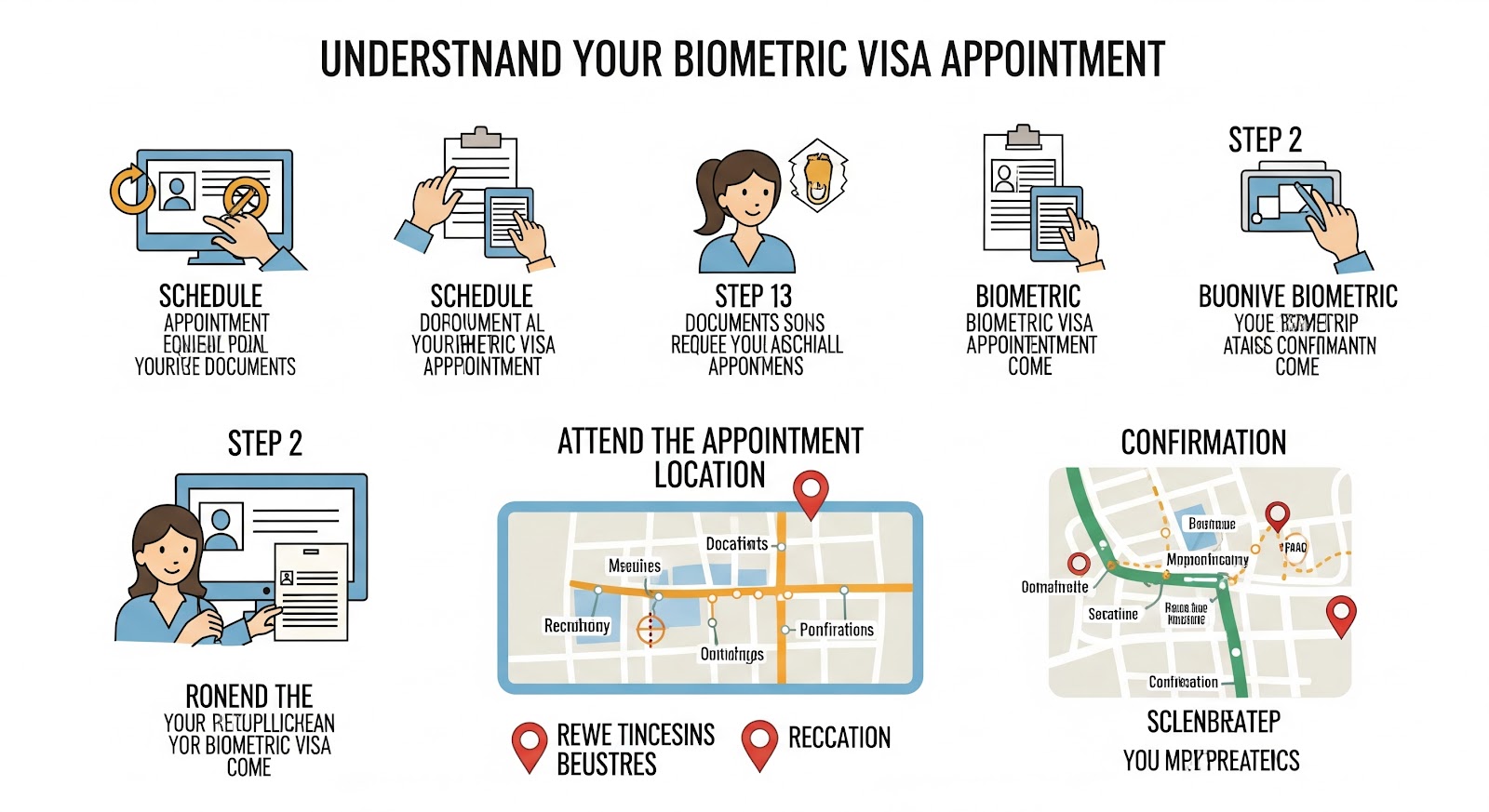
Biometrics (if required): Some nationalities or visa types may require biometric data (fingerprints and photo) submission.
Pay Fees: The non-refundable application fee for a single-entry short-stay visa is typically €60. For a multiple-entry short-stay visa, it's €100. Fees for long-stay visas are higher.
Processing Time: Processing times vary. For Short Stay C visas, it can range from 10-15 working days to several weeks, depending on the volume of applications and the complexity of your case. Always apply well in advance of your travel date.
Why Ireland?
Ireland offers a compelling mix of factors for business: a strong, open economy, access to the EU market, a young and dynamic workforce, and a vibrant startup ecosystem, particularly in tech and pharmaceuticals. Its competitive corporate tax rate and English-speaking environment further enhance its appeal.
By understanding the appropriate visa category and meticulously preparing your application, you can unlock the doors to new business opportunities in the Emerald Isle. Always refer to the official Irish Immigration website or consult with a reputable immigration advisor for the most current and specific guidance.
Frequently Asked Questions (FAQ) about Ireland Business Visas
Q1: Is there a specific "Business Visa" for Ireland?
A1: No, there isn't a single visa named "Business Visa." For short-term business trips (up to 90 days), you apply for a Short Stay 'C' Business Visa. For longer-term business establishment or investment, you'd look into programmes like the Immigrant Investor Programme (IIP) or Start-up Entrepreneur Programme (STEP).
Q2: Can I work in Ireland on a Short Stay 'C' Business Visa?
A2: No, a Short Stay 'C' Business Visa does not permit you to take up employment, provide services, or engage in direct sales to the public in Ireland. It is strictly for business meetings, conferences, negotiations, etc.
Q3: What is the most crucial document for a Short Stay 'C' Business Visa application?
A3: The invitation letter from the Irish company or organisation is arguably the most crucial document. It must clearly outline the purpose, duration, and nature of your business visit.
Q4: How much does an Ireland business visa cost?
A4: The standard fee for a single-entry short-stay visa is €60, and for a multiple-entry short-stay visa, it's €100. These fees are non-refundable and do not include any VFS Global service charges. Fees are subject to change.
Q5: How long does it take to process an Ireland Short Stay Business Visa?
A5: Processing times vary but generally range from 10-15 working days to several weeks. It's highly recommended to apply well in advance of your planned travel date.
Q6: Do I need to provide proof of funds for an Ireland business visa?
A6: Yes, you must provide bank statements (personal and/or company) for the last six months to demonstrate you have sufficient funds to cover all your expenses during your stay in Ireland.


Comments
Post a Comment