Navigating Global Mobility: Understanding Corporate Visas for Employees
In today's interconnected business world, companies frequently require their employees to work internationally. Whether it's for a short-term project, a long-term assignment, or a permanent relocation, facilitating global mobility is crucial for growth and talent development. This often involves securing what's broadly termed "corporate visas" for employees. While the term "corporate visa" isn't a specific visa category itself, it refers to the various types of work permits and visas that companies procure to allow their staff to legally work in a foreign country.
Understanding the complexities of corporate visas is paramount for businesses to ensure compliance, avoid penalties, and provide a smooth transition for their valuable employees.

What Does "Corporate Visa" Encompass?
When we talk about corporate visas for employees, we're generally referring to a range of visa types designed for employment purposes. These can include:
Intra-Company Transfer (ICT) Visas: These are very common for multinational corporations moving existing employees from one office to another in a different country. They usually require the employee to have worked for the company for a certain period in their home country.
Specialized Skilled Worker Visas: Many countries offer visas for individuals with specific skills that are in demand. These often require the sponsoring company to demonstrate that they couldn't find a suitable local candidate.
Project-Based Visas: For employees traveling to work on specific, temporary projects in a foreign country.
Executive/Manager Visas: For senior-level employees or executives being transferred or hired into management positions abroad.
Start-up Visas (less common for established corporates but relevant for new ventures): Some countries offer visas for entrepreneurs or employees of innovative start-ups.
The specific visa category will depend on the destination country, the nature of the work, the duration of the assignment, and the employee's role within the company.
The Corporate Role in the Visa Process
Unlike individual tourist or business visa applications, corporate visas for employees typically place significant responsibility on the employer. The company often acts as the sponsor, initiating the application process, providing crucial documentation, and sometimes even managing the entire application on behalf of the employee.
Here's why the corporate involvement is so critical:
Sponsorship Requirement: Most work visas require sponsorship from a local entity (the employer) in the destination country. This means the company must be legally registered and often prove its financial stability and ability to employ foreign nationals.
Labor Market Tests: In many countries, companies must demonstrate that they have attempted to find a local candidate for the position before hiring a foreign national. This involves advertising the role and documenting the recruitment process.
Compliance with Immigration Laws: Companies must adhere to complex immigration laws, labor regulations, and tax implications in both the home and host countries. Non-compliance can lead to hefty fines, legal action, and reputational damage.
Document Provision: The company is responsible for providing numerous documents, including employment contracts, company registration details, financial statements, and letters of support.
Relocation Support: Beyond the visa itself, companies often provide assistance with housing, schooling for dependents, tax equalization, and cultural integration for their globally mobile employees.
Key Steps in the Corporate Visa Process (General Overview)
While variations exist, the general process for corporate visas often includes:
Needs Assessment: Identifying the country, the role, and the duration of the assignment to determine the appropriate visa category.
Compliance Check: Ensuring the company meets all sponsorship and legal requirements in the destination country.
Job Posting/Labor Market Test (if applicable): Fulfilling local recruitment requirements.
Application Preparation: Gathering all necessary documentation from both the company and the employee. This can be extensive and includes employment contracts, academic qualifications, professional experience letters, police clearance certificates, medical examinations, and more.
Filing the Application: Submitting the application to the relevant immigration authorities (embassy, consulate, or immigration department).
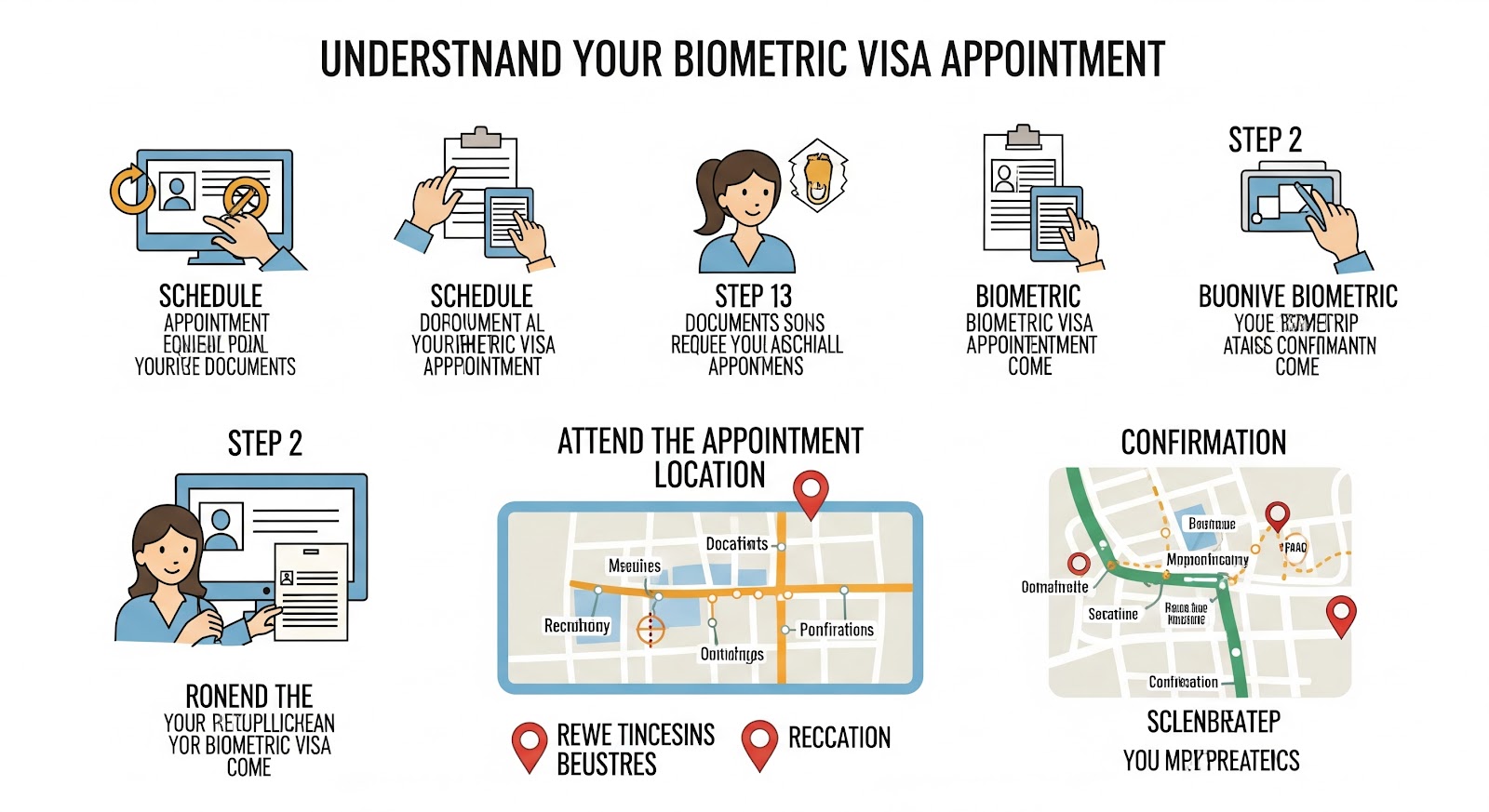
Interviews/Biometrics: The employee may need to attend an interview or provide biometric data.
Visa Issuance: Once approved, the visa is granted, allowing the employee to enter and work in the foreign country.
Post-Arrival Compliance: Ensuring ongoing compliance with local laws, including registration with authorities, tax obligations, and any reporting requirements.
Challenges and Best Practices
The corporate visa process can be fraught with challenges, including ever-changing regulations, lengthy processing times, and complex documentation. To mitigate these, companies should:
Engage Experts: Partner with immigration lawyers or global mobility specialists.
Plan Ahead: Start the process well in advance of the intended transfer date.
Maintain Clear Communication: Keep the employee informed at every stage.
Centralize Information: Create a robust internal system for managing visa applications and employee data.
By proactively managing corporate visa processes, businesses can unlock international talent, expand their global footprint, and ensure their employees' international assignments are successful and compliant.
Frequently Asked Questions (FAQs) About Corporate Visas
Q1: How long are corporate visas typically valid for?
A1: The validity of corporate visas varies greatly by country and the specific visa category. They can range from a few months for short-term projects to several years for long-term assignments. Some may also lead to permanent residency options after a certain period.
Q2: Can an employee's family accompany them on a corporate visa?
A2: In most cases, yes. Many corporate visa categories allow for dependents (spouse and minor children) to accompany the primary visa holder. They will usually need to apply for their own dependent visas, which are linked to the primary applicant's work visa.
Q3: What happens if an employee's corporate visa expires while they are still abroad?
A3: It is crucial for both the employee and the company to track visa expiry dates diligently. If a visa expires, the employee becomes an "overstayer," which can lead to legal penalties, fines, detention, deportation, and future bans from entering that country. Applications for renewal or extension must be submitted well in advance of the expiry date.
Q4: Is a corporate visa the same as a business visa?
A4: No, they are distinct. A business visa is for short-term business activities like meetings or conferences, and typically does not allow you to perform paid work in the host country. A corporate visa (or work visa) specifically permits an employee to engage in gainful employment in a foreign country for their employer.
Q5: Who pays for the corporate visa application fees?
A5: In most corporate transfers or sponsored work arrangements, the employer typically covers the visa application fees and associated costs (like legal fees or government charges) as part of their commitment to global mobility. However, this can vary based on company policy and employment contracts.


Comments
Post a Comment