Unpacking the Cost: Understanding China Business Visa Fees
China, a global economic giant, draws in countless business professionals seeking opportunities for trade, investment, and collaboration. If your next venture leads you to the Middle Kingdom for commercial purposes, securing an "M" visa (Business Visa) is a crucial step. Beyond the application process itself, understanding the associated fees is essential for budgeting and planning your trip.
It's important to note that China business visa fees are not a flat rate across the board. They vary significantly based on several key factors, making it crucial to check the specific details relevant to your nationality and application.

Components of China Business Visa Fees
Generally, when applying for a China business visa, you'll encounter two primary fee components:
Visa Fee (Consular Fee): This is the core fee charged by the Chinese Embassy or Consulate for processing your visa application. It's determined by reciprocal agreements between China and your home country, as well as the number of entries and validity period requested.
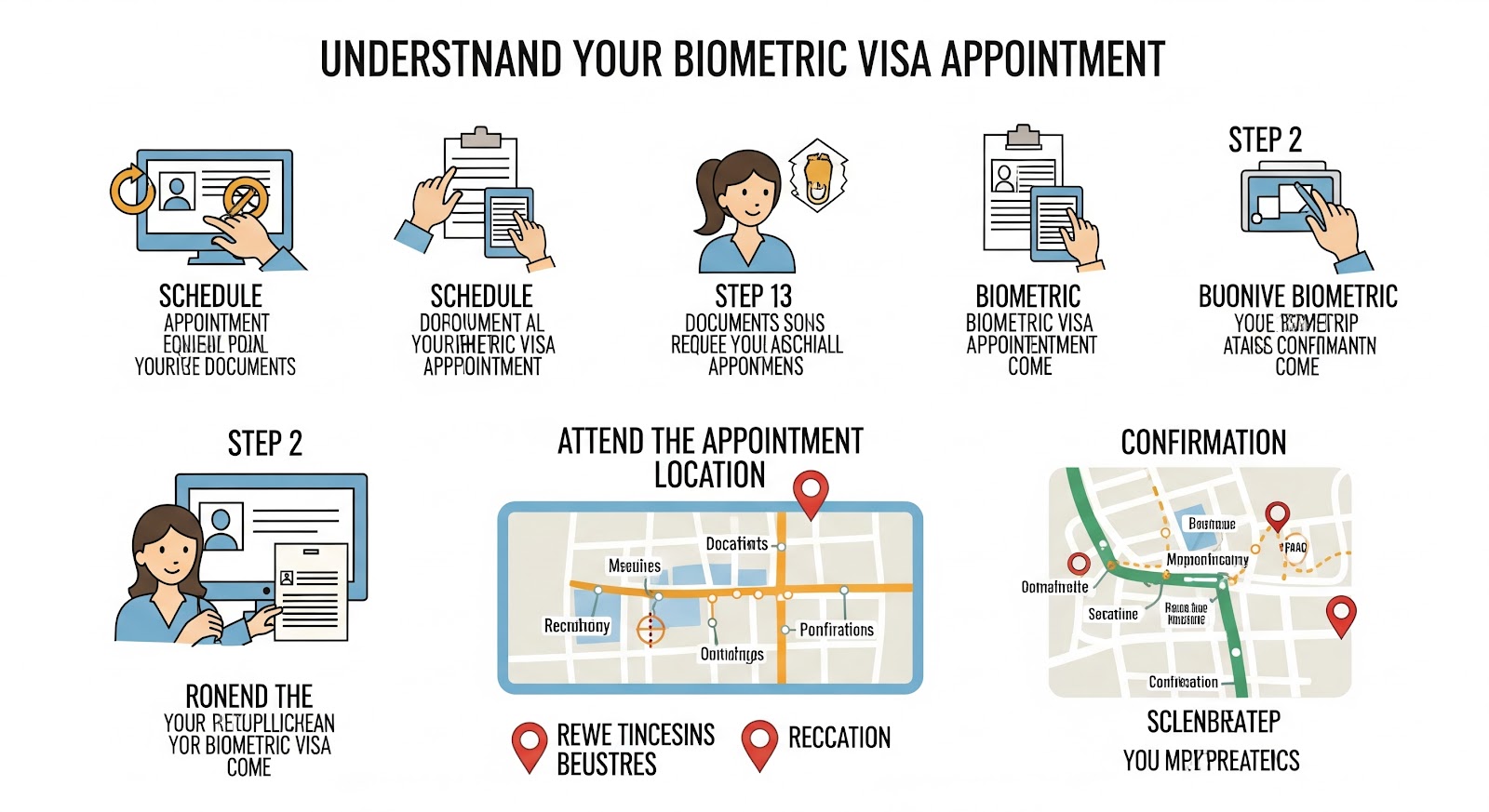
Service Fee (Application Service Center Fee): In many countries, China has established Visa Application Service Centers (CVASCs) that handle the initial submission, document verification, and biometric collection. These centers charge a separate service fee for their administrative functions.
Key Factors Influencing Visa Fees
Knowing these factors will help you estimate the cost of your China business visa:
Applicant's Nationality: This is arguably the most significant determinant. Due to bilateral agreements, citizens of different countries face vastly different visa fees. For example, U.S. citizens often pay a higher fee for multiple-entry visas compared to many other nationalities due to reciprocity.
Number of Entries:
Single Entry: For one entry into China.
Double Entry: For two entries into China within a specified period.
Multiple Entry (6-month, 1-year, 2-year, 5-year): Allows for unlimited entries within the validity period. Naturally, multiple-entry visas are more expensive than single or double-entry options. The availability of longer-term multiple-entry visas also depends on your nationality and previous travel history to China.
Processing Time:
Regular Service: The standard processing time, usually taking 4-5 business days. This is the most cost-effective option.
Express Service: For faster processing, typically 2-3 business days. This incurs an additional expedited fee.
Urgent Service (Rush): For the fastest processing, sometimes within 1 business day. This comes with the highest additional fee and is often subject to approval and specific application times.
Application Method/Location: While the core fees are standardized, applying through certain agencies or in specific countries might have minor variations in service charges.
Estimated Fee Ranges (Illustrative)
Given the variability, providing exact figures is challenging, as fees change and differ by country. However, to give you a sense:
For many nationalities (e.g., European, Indian, Canadian):
A single-entry M visa (consular fee + service fee) might range from approximately USD 80 - USD 150.
Multiple-entry visas can range from USD 150 - USD 300+, depending on the validity (6 months, 1 year, etc.).
For U.S. citizens:
Fees are typically higher due to reciprocity. A multiple-entry M visa (which is common for US citizens) can be upwards of USD 185 - USD 250 (consular fee) plus the service fee.
Important Payment Information:
Payment Methods: Visa application centers usually accept debit cards, credit cards, bank transfers, or cashier's checks. Cash payments might not be accepted. Always confirm the accepted payment methods with the specific CVASC or consulate.
Non-Refundable: Once you submit your application and pay the fees, they are generally non-refundable, even if your visa application is rejected or you decide to withdraw it.
Where to Find the Most Accurate Information
Given the dynamic nature of visa policies and fees, always consult the official websites for the Chinese Embassy or Consulate in your country, or the specific China Visa Application Service Center (CVASC) website for your region. These sources will provide the most up-to-date and accurate fee schedules.
Budgeting for your China business visa requires checking the latest fee schedules based on your nationality, desired number of entries, and urgency. With this information in hand, you can confidently plan your journey to China and focus on the opportunities ahead.
Frequently Asked Questions (FAQs) about China Business Visa Fees
Q1: Why are China business visa fees different for different nationalities?
A1: Visa fees are largely determined by "reciprocity." This means that China charges citizens of a particular country roughly the same amount that that country charges Chinese citizens for similar visa types. This leads to variations in fees based on bilateral agreements.
Q2: Can I get a refund if my China business visa is rejected?
A2: No, generally visa application fees (both the consular fee and service fee) are non-refundable, regardless of whether your visa application is approved or rejected, or if you withdraw your application.
Q3: How much extra does "express" or "urgent" processing cost?
A3: The additional fees for express and urgent processing vary by country and the specific service center. Typically, express service adds around USD 20-40, while urgent service can add USD 30-60 or more on top of the standard fees. Always check the specific CVASC website for exact figures.
Q4: Do children applying for a business visa pay the same fee as adults?
A4: Yes, generally, the visa fees for children are the same as for adults for a specific visa category and nationality, as the fee is tied to the visa type and processing, not the applicant's age.
Q5: Can I pay the visa fee in cash at the application center?
A5: It depends on the specific China Visa Application Service Center (CVASC). While some might accept cash, many prefer or only accept debit cards, credit cards, or bank transfers. It is always best to check the payment methods accepted by your local CVASC beforehand.


Comments
Post a Comment