VISA Full Form | What Does VISA Stand For?
What is the Full Form of VISA?
The commonly used full form of VISA is "Visitors International Stay Admission." It’s often interpreted this way to define the purpose of a visa — allowing a person to visit and stay temporarily in a foreign country. But here’s a surprise: VISA is not actually an acronym. That’s right! The word “visa” comes from the Latin phrase “Charta visa,” meaning “verified paper” or “document that has been seen.”
Still, over time, people coined “Visitors International Stay Admission” as a helpful way to understand what a visa is used for — and it stuck!

What is a VISA?
A visa is an official authorization added to your passport that allows you to enter, stay in, or leave a country for a specific reason and period of time. Think of it like a golden ticket that gives you permission to travel across international borders legally.
Why Do You Need a VISA?
Every country has its own rules and policies about who can enter and for what purpose. A visa ensures:
You are entering for a valid reason (tourism, business, study, etc.)
You’re not a security or legal risk
You follow the time limits and conditions of your visit
Types of Visas
1. Tourist Visa
This is the most common type of visa. It’s issued for leisure travel and usually comes with a short validity period (15 to 90 days). You can explore the country, meet family or friends, but you cannot work.
2. Business Visa
If you're traveling for professional or trade-related reasons — such as meetings, conferences, or investments — you’ll need a business visa. It doesn’t allow you to take up full-time employment.
3. Student Visa
Planning to study abroad? A student visa is required to enroll in universities, colleges, or training programs in another country. These are usually longer-term visas based on the course duration.
4. Work Visa
This visa is for individuals who have a job offer in a foreign country. It allows legal employment and often leads to longer residency, depending on the country.
5. Transit Visa
Just passing through? A transit visa is needed when your flight has a layover in a country and you’re not planning to leave the airport or stay more than a few hours or days.
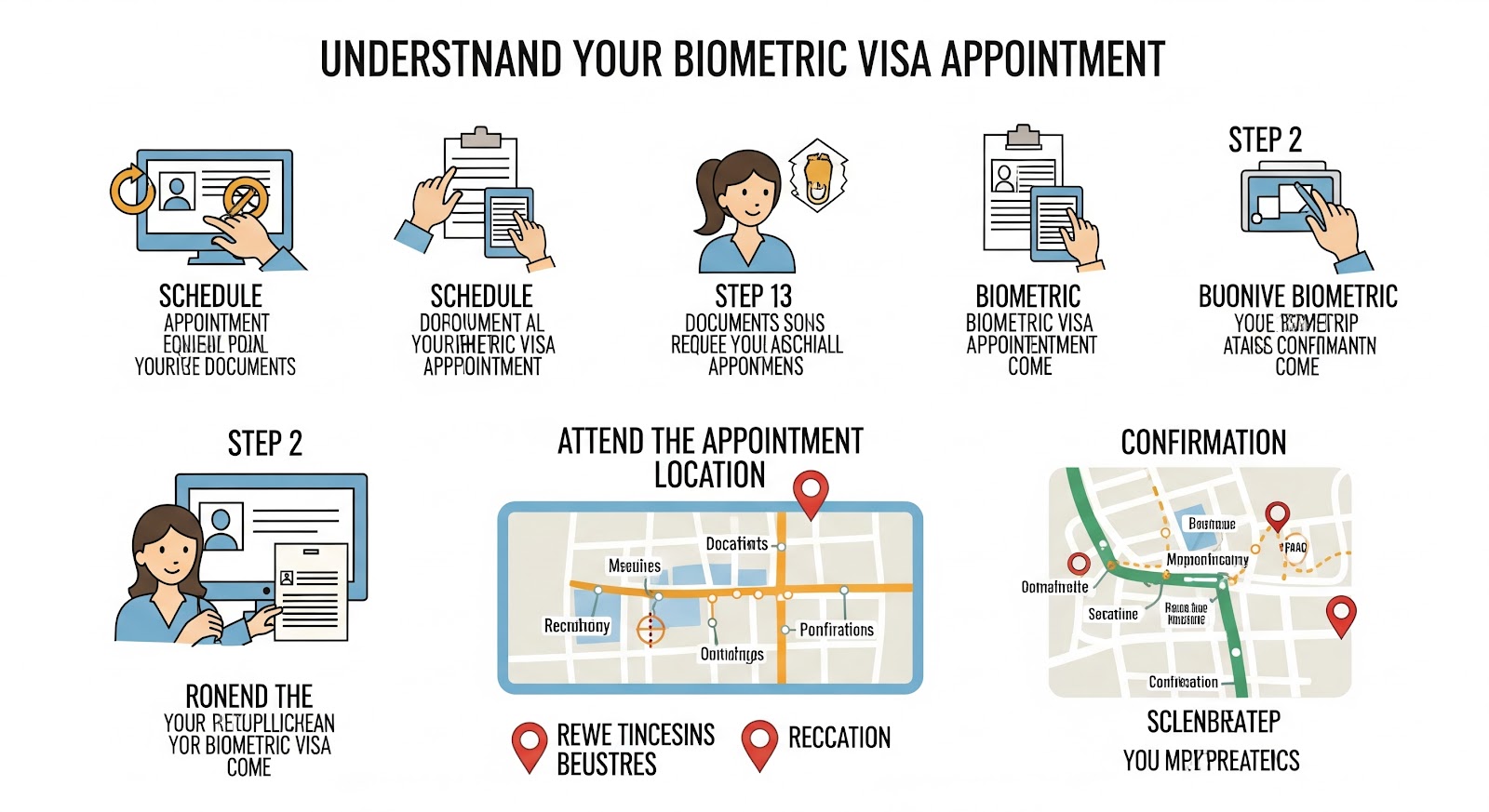
How to Apply for a VISA
The visa process varies by country, but generally includes:
Filling an online application
Uploading documents (passport, ID, itinerary)
Paying the visa fee
Visiting the embassy/consulate for an interview (if required)
Processing time can range from a few days to several weeks. Always apply well in advance.
Electronic Visas (e-Visa)
Many countries now offer e-Visas, which are processed and issued online. These are faster, more convenient, and require no physical stamp on your passport.
Fun Fact About VISA Cards
Ever wondered if the credit card company VISA is related? It’s not! VISA Inc. stands for Visa International Service Association, and has nothing to do with travel documents — just an interesting coincidence in names!
Conclusion
To wrap it up — the VISA full form most people refer to is Visitors International Stay Admission, although it's more of a backronym than an official definition. A visa is your legal permit to enter, stay, or pass through another country for a specific purpose. Whether you're traveling for fun, studies, or work, understanding visa types and application procedures is the first step to hassle-free travel.
FAQs
1. Is “Visitors International Stay Admission” the official full form of VISA?
No, it’s a popular backronym. The term “visa” originally comes from Latin, meaning “seen paper.”
2. Do all countries require a visa?
No. Some countries have visa-free or visa-on-arrival agreements based on nationality.
3. What’s the difference between a visa and a passport?
A passport is your identity document for international travel. A visa is an entry permit issued by the destination country.
4. How long does it take to get a visa?
Anywhere from a few days to several weeks, depending on the type and destination.
5. Can I work on a tourist visa?
No. Working on a tourist visa is illegal and can lead to penalties or deportation.


Comments
Post a Comment