Your Gateway to Opportunity: Applying for a US Business (B-1) Visa from India
The United States remains a top destination for global business, offering unparalleled opportunities for networking, market expansion, and professional development. For Indian professionals and entrepreneurs looking to tap into this vibrant ecosystem, understanding the US Business Visa (B-1) application process is the first crucial step. While the process can seem intricate, with careful preparation, you can navigate it successfully and unlock your next international venture.

Understanding the B-1 Business Visa
The B-1 visa is a non-immigrant visa category specifically designed for individuals traveling to the U.S. for temporary business purposes. It's vital to differentiate this from a work visa (like the H-1B), as a B-1 visa generally does not permit paid employment within the U.S. Permissible activities under a B-1 visa typically include:
Consulting with business associates
Attending scientific, educational, professional, or business conventions and conferences
Negotiating contracts
Purchasing goods or property
Conducting independent research
Participating in short-term training (not intended for employment)
Key Steps for Indian Applicants: The B-1 Visa Journey
Applying for a B-1 visa from India involves several distinct stages, each requiring attention to detail:
Step 1: Complete the Online Nonimmigrant Visa Application (DS-160)
This is the cornerstone of your application. The DS-160 is an online form that collects comprehensive personal, travel, and background information. Ensure all details are accurate and consistent with your supporting documents. Once completed, print the confirmation page, as you'll need it for your appointments.
Step 2: Pay the Visa Application Fee
The non-refundable visa application fee (currently $185, subject to change) must be paid before you can schedule your appointments. Payment instructions are typically available on the official U.S. Embassy and Consulates in India website. Keep the payment receipt safe.
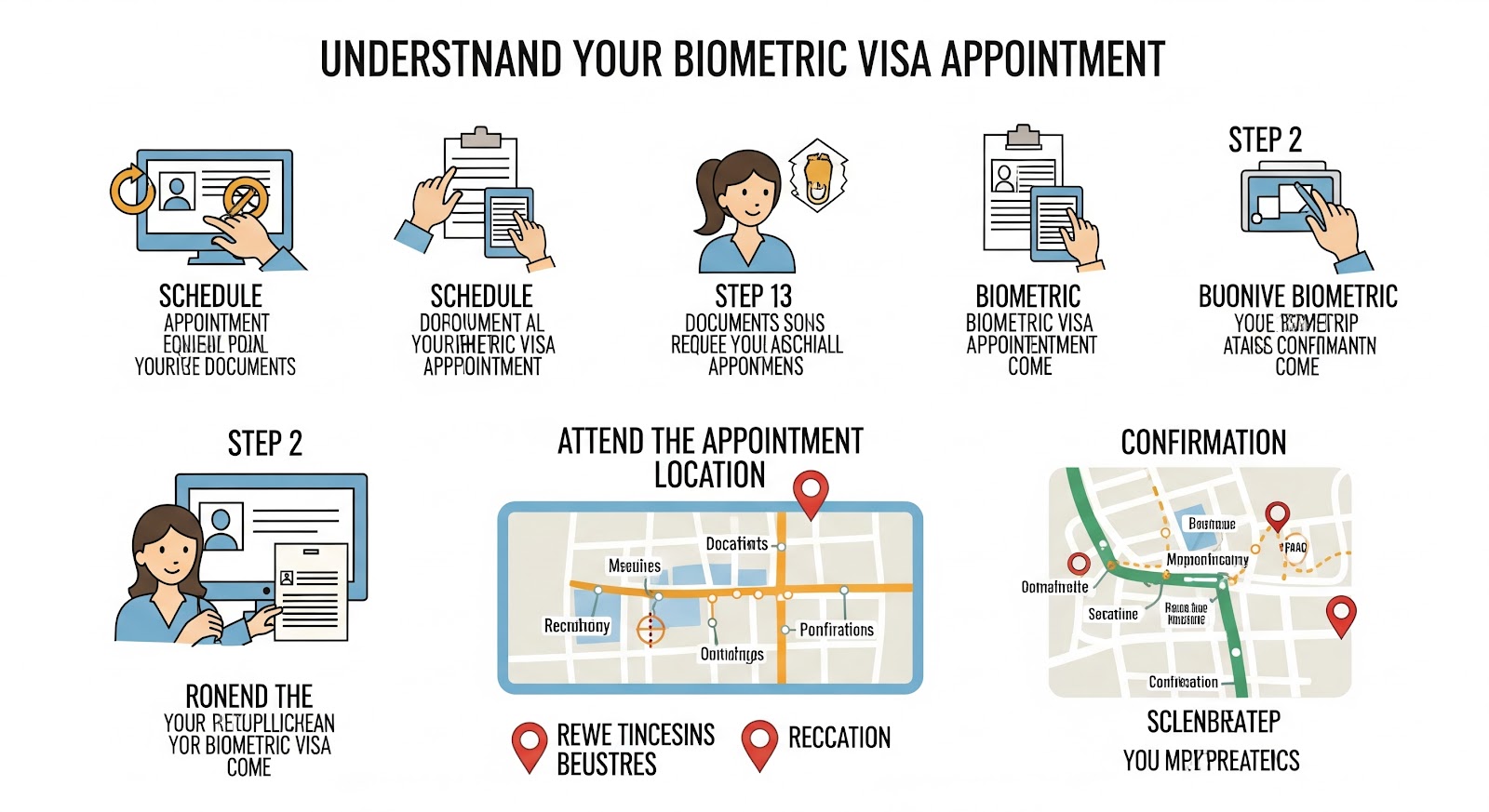
Step 3: Schedule Your Appointments (Biometrics & Interview)
After paying the fee, you will need to schedule two separate appointments:
Visa Application Center (VAC) Appointment: Here, your fingerprints (biometrics) and a digital photograph will be collected.
Consular Interview Appointment: This is the crucial in-person interview with a Consular Officer at one of the U.S. Embassies or Consulates in India (New Delhi, Mumbai, Chennai, Kolkata, or Hyderabad).
Be aware of wait times! As of mid-2025, wait times for B1/B2 visa interviews in India can still be significant, ranging from several months to over a year depending on the consulate. Plan your application well in advance of your intended travel date.
Step 4: Prepare Your Documents
Thorough documentation is key to a successful application. While requirements can vary, typically you will need:
Valid Passport: Must be valid for at least six months beyond your intended period of stay in the U.S.
DS-160 Confirmation Page.
Visa Fee Payment Receipt.
Appointment Confirmation Letter.
Passport-Sized Photograph: Meeting specific U.S. visa photo requirements.
Invitation Letter: From the U.S. company or organization you plan to visit, detailing the purpose of your trip, duration, and outlining who will cover expenses.
Cover Letter from Your Indian Employer: Explaining your role, the business purpose of your trip, and confirming your employment and intent to return to India.
Proof of Funds: Bank statements, salary slips, or a letter from your company confirming financial sponsorship, demonstrating you can cover your travel and living expenses.
Travel Itinerary: Tentative flight and accommodation bookings.
Evidence of Strong Ties to India: This is critical! Documents like property deeds, family certificates, marriage certificates, employment letters, and financial assets help demonstrate your intent to return to India after your temporary visit. The U.S. immigration law presumes all non-immigrant visa applicants intend to immigrate, so you must overcome this presumption.
Step 5: Attend Your Biometrics and Interview
At the VAC, your biometrics will be collected. For the interview, arrive punctually at the U.S. Embassy or Consulate with all your original documents. Be prepared to answer questions about your travel plans, the purpose of your visit, your professional background, and your ties to India. Be concise, honest, and confident in your responses.
Step 6: Visa Processing and Collection
After your interview, the Consular Officer will inform you of the decision. If approved, your passport will typically be sent back with the stamped B-1 visa within a few business days.
Important Considerations:
Honesty is paramount: Any misrepresentation of facts can lead to visa denial and future travel restrictions.
Be clear about your intent: Emphasize that your visit is temporary and solely for business purposes, and that you have strong reasons to return to India.
By meticulously preparing and understanding each step, you can significantly increase your chances of securing a US Business Visa and successfully embarking on your next professional journey to the United States.
Frequently Asked Questions (FAQs) About US Business Visas from India
Q1: What is the current wait time for a B-1 visa interview in India? A1: Wait times vary significantly by U.S. Consulate in India (New Delhi, Mumbai, Chennai, Kolkata, Hyderabad) and fluctuate regularly. As of mid-2025, they can range from several months to over a year. Always check the official U.S. Department of State's visa appointment wait times page for the most up-to-date information for your chosen location.
Q2: Can I work in the U.S. on a B-1 business visa? A2: No. A B-1 visa is strictly for temporary business activities and generally does not permit you to engage in local employment or receive a salary from a U.S. source. Any activity that could be considered "work" (e.g., performing services for hire) is prohibited.
Q3: Do I need a formal invitation letter from a U.S. company? A3: While not always legally mandatory for all business trips, an invitation letter from the U.S. host company or organization is highly recommended and often expected. It strengthens your application by clearly stating the purpose of your visit and who you will be meeting.
Q4: What are "strong ties to India," and why are they important? A4: "Strong ties to India" refer to evidence that demonstrates your clear intent to return to India after your temporary stay in the U.S. This is crucial because U.S. immigration law presumes all non-immigrant visa applicants intend to immigrate. Examples of strong ties include stable employment, family responsibilities (spouse, children), property ownership, financial assets, and ongoing educational pursuits in India.
Q5: What should I do if my B-1 visa application is rejected? A5: If your application is rejected, the Consular Officer will usually provide a reason for the denial. Understand this reason. Common reasons include insufficient proof of ties to your home country or unclear purpose of visit. If you can address the reasons for the refusal, you may choose to reapply, but ensure you have new information or stronger evidence to present. There is no appeal process for visa denials, but you can reapply.


Comments
Post a Comment