Your Roadmap to Global Business: A Step-by-Step Guide on How to Apply for a Business Visa
In an increasingly globalized economy, business opportunities often lie beyond national borders. Attending international conferences, negotiating deals, meeting potential clients, or exploring new markets frequently requires a business visa. While the specifics vary from one country to another, there's a common thread that runs through most business visa application processes. This guide will provide a general roadmap, empowering you to navigate the complexities and successfully secure your next international business travel permit.

What is a Business Visa?
Before diving into the "how-to," it's crucial to understand what a business visa entails. A business visa is a non-immigrant visa category granted for short-term, business-related activities. It is not a work visa, meaning you generally cannot be employed by a local entity or receive a salary from a source within the destination country. Permitted activities typically include:
Attending meetings and consultations
Participating in trade fairs and exhibitions
Negotiating contracts
Conducting research or making investments
Attending professional conferences or seminars
The General Application Process: Your Step-by-Step Guide
While always verify precise requirements with the destination country's embassy or consulate, the following steps provide a universal framework for applying for a business visa:
Step 1: Determine Your Destination and Research Specific Requirements
This is the most critical first step. Every country has unique visa policies, requirements, and application procedures.
Identify the Country: Which country are you traveling to?
Consult Official Sources: Visit the official website of the embassy or consulate of your destination country in your home country (e.g., if you're in India and going to Germany, check the German Embassy in India website). This is your primary source for accurate and up-to-date information.
Understand Visa Type: Confirm that a "business visa" is the correct category for your intended activities.
Check Eligibility: Review any specific eligibility criteria (e.g., minimum passport validity, financial solvency).
Step 2: Gather All Necessary Documents
This phase often requires meticulous attention to detail. The exact list varies, but common documents include:
Valid Passport: With sufficient validity (usually 6 months beyond your intended stay) and blank pages.
Completed Visa Application Form: Many countries offer online application portals (e.g., DS-160 for the USA).
Passport-Sized Photographs: Adhering to strict size, background, and facial expression specifications.
Invitation Letter: From the host company or organization in the destination country. This letter should detail the purpose of your visit, the dates, who is covering expenses, and contact information.
Cover Letter from Your Company: On official letterhead, stating your position, the purpose of your trip, confirmation of your employment, and intent to return.
Proof of Financial Means: Bank statements, salary slips, or a letter from your employer confirming financial sponsorship, demonstrating you can support yourself during your stay.
Travel Itinerary: Tentative flight and accommodation bookings.
Proof of Accommodation: Hotel reservations or a letter from your host confirming accommodation.
Travel Insurance: Many countries, especially in the Schengen Area, require comprehensive travel medical insurance.
Proof of Ties to Home Country: Documents like property deeds, family certificates, or employment contracts to prove your intention to return.
Company Registration Documents: For both your company and, sometimes, the host company.
Step 3: Pay the Visa Application Fee
Visa fees are non-refundable and vary significantly by country. Check the accepted payment methods (online, bank transfer, or at the application center) and ensure you pay the correct amount. Keep the payment receipt.
Step 4: Schedule Appointments (If Required)
Depending on the country, you might need:
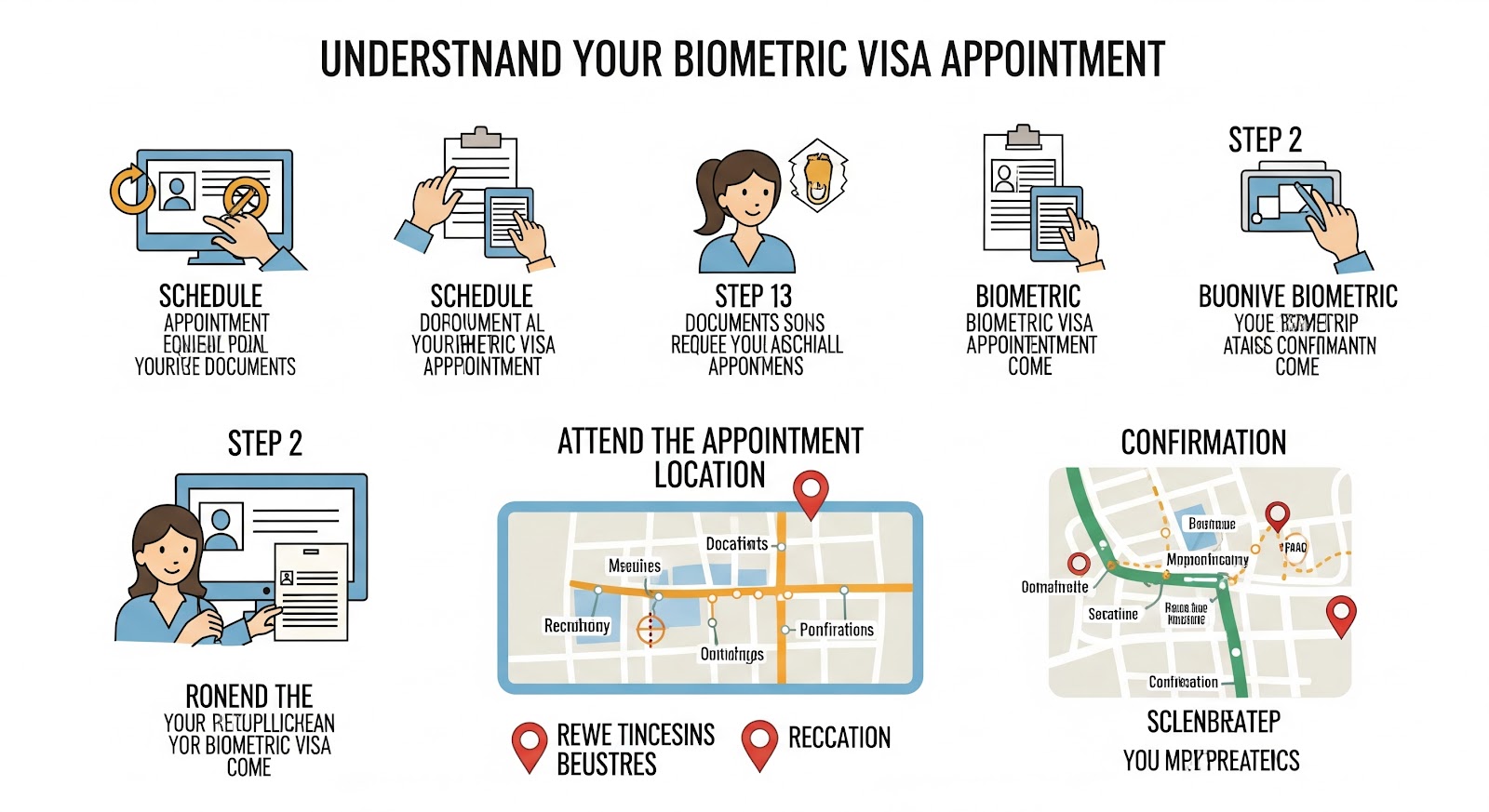
Biometrics Appointment: To provide fingerprints and a digital photograph at a Visa Application Center (VAC) or designated office.
Consular Interview: An in-person interview with a consular officer at the embassy or consulate. Be prepared to discuss your travel plans and the purpose of your visit.
Step 5: Attend Your Appointments
Arrive on time for any scheduled appointments. Dress professionally, be polite, and bring all original documents, even if you've submitted copies online. Be honest and concise in your answers.
Step 6: Track Your Application and Receive Your Visa
After submission, you can usually track your application status online. Processing times vary widely – from a few days to several weeks or even months. Once approved, your visa will be stamped in your passport or issued as an e-visa.
Essential Tips for Success:
Start Early: Begin the process well in advance of your travel dates, especially for countries with long processing times.
Accuracy is Key: Double-check all information for consistency across all documents.
Organize Everything: Keep your documents neatly organized and easily accessible.
Be Honest and Clear: Misrepresentation can lead to rejection and future travel bans. Clearly articulate the business purpose of your trip.
Proof of Return: Always emphasize and provide strong evidence of your intent to return to your home country.
By diligently following these steps and paying close attention to the specific requirements of your destination, you can confidently apply for a business visa and open doors to new global opportunities.
Frequently Asked Questions (FAQs) About Business Visas
Q1: How long can I stay in a country on a business visa?
A1: The maximum duration of stay on a business visa varies significantly by country. It can range from a few days to several months. The specific period granted will be stamped on your visa. It's crucial not to overstay this period.
Q2: Can I bring my family on a business visa?
A2: Generally, a standard business visa is for the individual applicant only. If you wish to bring family members, they would typically need to apply for their own separate tourist or dependent visas, if such categories are available and if they meet the requirements.
Q3: What if I don't have an invitation letter from a company abroad?
A3: An invitation letter is a very common and often mandatory requirement for a business visa. If you're attending a conference, the conference registration and a letter from the organizers might suffice. If you genuinely have no specific host, you may need to reconsider if a business visa is the appropriate category for your trip, or consult with the embassy directly for guidance.
Q4: Is travel insurance necessary for a business visa?
A4: For many countries, especially those in the Schengen Area (Europe), comprehensive travel medical insurance is a mandatory requirement. Even if not mandatory, it is highly recommended to protect yourself against unexpected medical emergencies, trip cancellations, or lost luggage.
Q5: What are common reasons for a business visa rejection?
A5: Common reasons for rejection include: insufficient proof of funds, lack of strong ties to your home country (leading to suspicion of immigration intent), incomplete or incorrect documentation, unclear purpose of visit, or previous visa violations. If rejected, the embassy usually provides a reason.


Comments
Post a Comment