A Guide to the Germany Business Visa for Non-EU Citizens
As Europe's economic powerhouse, Germany is a vital hub for international trade, technology, and innovation. For businesses and professionals from outside the European Union, engaging with this dynamic market often requires travel for meetings, negotiations, and conferences. Navigating the visa process is the essential first step to unlocking the immense opportunities Germany offers.
This guide is designed to demystify the process for obtaining a Germany business visa for non-EU citizens. We will focus on the most common pathway for short-term business travel, outlining the permitted activities, key requirements, and crucial distinctions from long-term work permits.

Your Gateway to Germany: The Schengen Business Visa
For short-term business engagements, you will not be applying for a unique "business visa" but rather a Schengen Visa (Type C) with the specified purpose of "business." This is the standard visa for non-EU citizens who need to enter the Schengen Area, which comprises 29 European countries, for a temporary stay.
A key feature of this visa is that it allows for a stay of up to 90 days within any 180-day period. It not only grants you entry into Germany but also provides the flexibility to travel to other Schengen member states during your trip.
What is "Business"? Permitted Activities on Your Visa
It is critical to understand what activities are allowed on a Schengen Business Visa to ensure full compliance with immigration rules. The visa is designed to facilitate business connections and commercial activities, not for taking up employment.
Permitted activities include:
Attending internal or external business meetings.
Negotiating and signing contracts with German partners.
Participating in conferences, trade fairs, or exhibitions.
Conducting market research or exploring potential business ventures.
Undergoing or providing short-term, company-specific training.
Crucially, you are not permitted to engage in paid employment with a German company or undertake any activity that would be considered entering the German labour market. The purpose is to do business, not to work in a formal employment capacity.
Core Requirements: Your Application Checklist
A successful application for a Germany business visa for non-EU citizens hinges on meticulous preparation and thorough documentation. Each document plays a role in proving the legitimacy of your trip.
Your essential checklist should include:
Application Form: The completed and signed Schengen visa application form.
Passport: Your valid passport must have at least two blank pages and be valid for at least three months beyond your intended departure from the Schengen Area.
Biometric Photos: Two recent, identical passport photos that meet German biometric standards.
Cover Letter: A detailed personal letter explaining the precise purpose of your visit, your itinerary, and who will be financing the trip.
Formal Invitation Letter: This is a crucial document. It must be an official invitation from your German business partner. The letter should be on company letterhead and include the German company's details, the purpose and duration of your visit, your travel dates, and a clear statement on who is covering your expenses.
Proof of Employment: A letter from your current employer (in your home country) confirming your employment status, your position, salary, and the company's approval of your business trip.
Proof of Financial Means: Recent bank statements to prove you can financially support yourself during your stay.
Travel Itinerary: Round-trip flight reservations and proof of accommodation (hotel bookings) for the duration of your stay.
Travel Health Insurance: A valid travel medical insurance policy with a minimum coverage of €30,000 that is valid for the entire Schengen territory.
Business Visa vs. National Work Visa: Knowing the Difference
If your plans in Germany extend beyond short-term meetings and involve formal employment for longer than 90 days, you will need a different type of visa altogether. A German National Visa (Type D) for the purpose of work is required for long-term employment. This is a completely separate process that involves obtaining a formal employment contract from a German employer and often requires approval from Germany's Federal Employment Agency.
The Schengen business visa is exclusively for short-term business activities and cannot be converted into a work permit while you are in Germany.
Conclusion
The Germany business visa for non-EU citizens is a vital and straightforward tool for engaging with Europe's largest economy. Success lies in preparation. A well-documented application, supported by strong evidence from both your employer and your German business partner, will pave the way for a smooth and efficient process. Ensuring every document is in perfect order is critical to avoiding delays and making your business trip a success.
For companies managing frequent international travel, professional visa assistance can streamline this process significantly. To ensure your business travel is seamless and compliant, explore expert corporate services.
Frequently Asked Questions (FAQ)
Q1: How long can I stay in Germany on a business visa?
A: A Schengen business visa allows you to stay in the Schengen Area for a maximum of 90 days within any 180-day period.
Q2: Can I get a job and work for a German company on this visa?
A: No. The Schengen business visa strictly prohibits taking up paid employment in Germany. Its purpose is for short-term business-related activities like meetings, negotiations, and conferences, not formal work.
Q3: Do I have to apply for the visa in person?
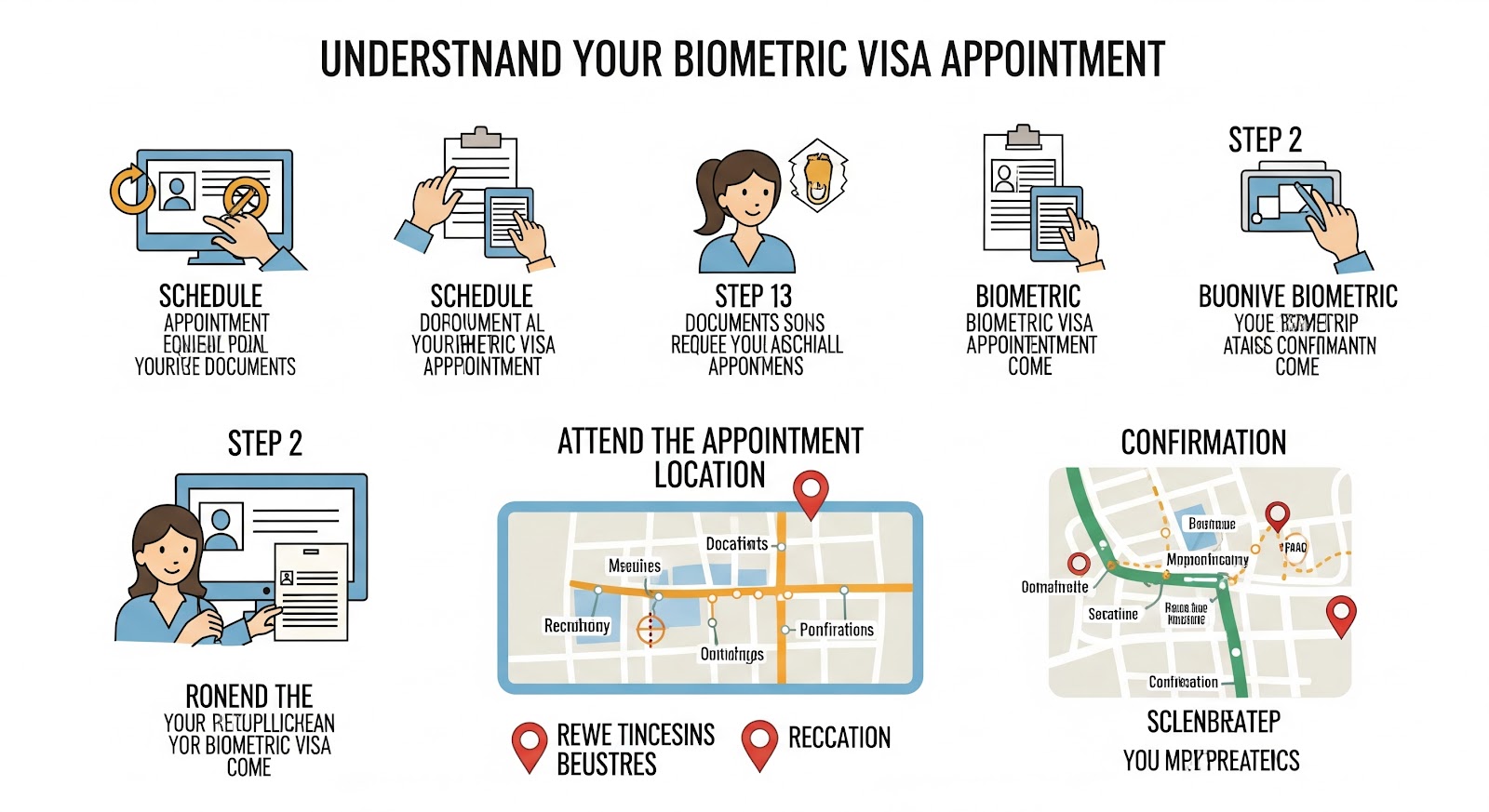
A: Yes, in most cases. First-time applicants for a Schengen visa are typically required to submit their application and provide their biometric data (fingerprints and a photograph) in person at a German embassy, consulate, or an authorized visa application centre in their country of residence.


Comments
Post a Comment