Beyond the Sticker Price: Understanding the True Cost of Corporate Visa Fees
As a business leader in India, when you budget for an international project or assignment, the major line items are clear: flights, accommodation, salaries, and per diems. But nestled within the budget is a category that is frequently misunderstood and underestimated: corporate visa application fees. This is often seen as a minor, fixed cost, but in reality, it's a complex and variable expense that can significantly impact your budget if not properly understood.

For thriving businesses in hubs like Thane and the broader Mumbai Metropolitan Region that are sending talent across the globe, a lack of clarity on visa costs can lead to financial surprises and planning disruptions. The "sticker price" of a visa is rarely the final amount you pay.
This guide will demystify the components of corporate visa fees, shed light on the often-hidden associated costs, and provide a strategic framework for managing this crucial expense in the global business environment of 2025.
Deconstructing the Bill: The Core Components of Visa Fees
The final figure on a visa invoice is a sum of several distinct parts. Understanding these components is the first step toward effective budgeting.

Government or Consular Fees: This is the base fee charged by the government of the destination country to review and process the visa application. This fee is non-negotiable, non-refundable, and varies dramatically. For instance, the fee for a United States L-1 (Intra-Company Transfer) visa is substantially higher than that for a short-term Schengen business visa. These fees are the foundational cost of any application.
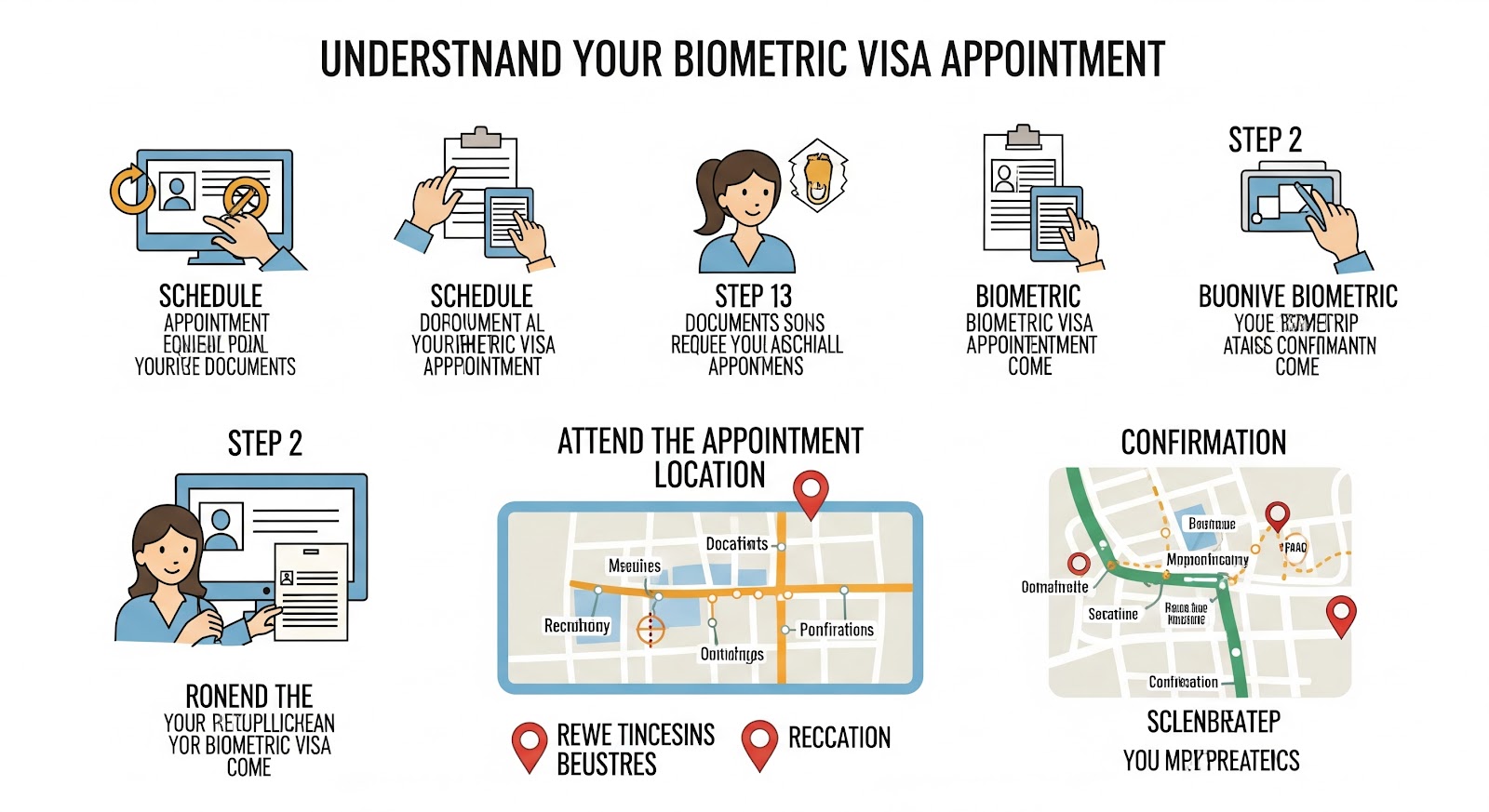
Biometric Fees: Most major business destinations, including the UK, Canada, and the Schengen states, now mandate the collection of biometric data (fingerprints and a digital photograph). This is a separate, mandatory fee that is usually paid to the Visa Application Centre (VAC) at the time of the appointment.
Visa Application Centre (VAC) Service Fees: Governments often outsource the administrative side of visa processing to private companies like VFS Global.1 These VACs are responsible for collecting applications, biometrics, and documents. For this service, they charge a mandatory fee, which is in addition to the government's consular fee.
Optional Value-Added Services (VAS): This is where costs can quickly escalate if not managed. VACs offer a menu of optional services for convenience, including:
Premium Lounge Access: A separate, more comfortable waiting area.
Prime-Time Appointments: The ability to book slots on weekends or outside of normal business hours.
Courier Service: Secure return of your passport and documents.
SMS & Email Updates: Real-time tracking of your application status.2
Form-Filling Assistance: On-site help completing application forms.
While some of these services can be beneficial, a clear corporate policy is needed to determine which are essential and which are unnecessary expenses.
The Hidden and Associated Costs of an Application
The true cost of a visa goes far beyond the official fees. A comprehensive budget must account for these associated expenses.

Professional Service Fees: As highlighted previously, partnering with a professional visa agency or immigration law firm is a strategic investment. Their service fees, which cover expert consultation, document verification, and case management, are a significant but vital part of the overall cost, as they drastically increase the likelihood of a successful outcome.
Document-Related Costs: Obtaining the required documentation is not free. These costs can include official translation of documents (like marriage or birth certificates), notarization, government Apostille or Attestation services, and fees for obtaining police clearance certificates.
Travel to the Application Centre: For an employee based in Thane, travelling to a VAC in Mumbai is relatively simple. However, if your employee is in a Tier-2 or Tier-3 city, the company may need to budget for their travel and potential overnight accommodation in the city where the VAC is located.
Medical Examination Fees: Certain visa categories, particularly for long-term work permits or residency, require a comprehensive medical examination from a panel physician approved by the embassy. This is a separate and often significant cost.
Strategic Budgeting for Visa Expenses
To avoid financial surprises, move from a reactive to a proactive budgeting approach.

Develop a Budget Template: Create a standardized template for your most frequent travel destinations, itemizing all potential costs from consular fees to document translation.
Establish a Clear Policy: Define your company's policy on optional Value-Added Services to ensure consistency and control over spending.
Factor in a Contingency: Visa fees are often denominated in foreign currency (USD, EUR, GBP). To account for currency fluctuations and unforeseen costs, build a 15-20% contingency fund into your visa budget for each applicant.
Partner for Predictability: A professional corporate travel partner can provide transparent, all-inclusive quotes upfront. This makes budgeting far more accurate and eliminates the guesswork.
Managing visa fees effectively is a mark of a globally astute organization. It ensures that your international ventures are not only successful but also financially sound from the very first step.
For businesses in the Mumbai Metropolitan Region, including Thane, getting a transparent and comprehensive breakdown of all potential costs is vital. Partnering with a provider of professional corporate services can eliminate financial surprises and streamline the entire process. This partnership provides clarity and control over your global mobility budget, backed by the expertise of a leading name in business travel solutions.
Frequently Asked Questions (FAQ)
1. Are visa fees refunded if the application is rejected?
No. In almost all cases, government consular fees and VAC service fees are non-refundable, regardless of the outcome of the application.3 This financial risk is a primary reason why investing in professional assistance to ensure the application is correct the first time is so important.
2. Can my company pay the visa fees directly at the consulate?
This is rare now. Most countries require fees to be paid online via credit/debit card during the application process or directly at the designated Visa Application Centre (VAC) when submitting documents. Direct payments at the embassy or consulate building are generally not an option for the public.
3. How much do currency fluctuations affect the final cost?
Significantly. The destination country sets consular fees in their currency (e.g., USD, GBP, EUR). The amount you pay in Indian Rupees (INR) will depend on the exchange rate on the day of the transaction. This is why it's wise to budget with a contingency margin.


Comments
Post a Comment