More Than a Visa: The Complete Guide to Relocating Your Family on an International Assignment
You've just been offered a fantastic three-year assignment in your company's Dublin or Dubai office. It's a significant career advancement and a testament to your hard work. But as the initial excitement of the professional opportunity settles, a far more important question comes into focus: "Can my family come with me?"

For any professional in Thane—or anywhere in India—considering a long-term global role, this is often the most critical factor. The prospect of turning a work assignment into a life adventure for your entire family is a game-changer. Thankfully, most countries that seek to attract skilled talent recognize this and have systems in place for it.
This 2025 guide will walk you through the essential aspects of securing "dependent visas" for your family, clarifying who is eligible, what rights they have, and what the process typically entails.
The Foundation: Understanding the "Dependent Visa"
Most long-term corporate visas, such as Intra-Company Transfer (ICT) visas, explicitly include a provision for the primary applicant to bring their immediate family. These are called "dependent visas," and their validity is directly tied to the primary visa holder's status. If your work visa is valid for three years, theirs will be too. If your assignment ends or your visa is cancelled, theirs will be as well.

The most critical part of this process is understanding how immigration authorities define a "dependent." This definition is precise and non-negotiable.
Who typically qualifies as a dependent?
Your Legal Spouse: The keyword here is "legal." You must have an official, government-issued marriage certificate.
Your Unmarried Children: This generally applies to children under a specific age, which is most often 21 (as in the U.S.) or 18 (as in the U.K. and many other nations).
Who typically does NOT qualify as a dependent for these visas?

This is a crucial point of clarity for Indian families. Dependent visas do not extend to your parents, grandparents, siblings, or other members of your extended family. While they can, of course, apply to visit you on a standard visitor or tourist visa, they cannot relocate with you under your corporate visa umbrella.
The Big Questions: Your Family's Rights and Privileges Abroad
Securing visas is one thing; understanding what your family can actually do in the new country is another. These are the questions that truly matter for family well-being.

Can My Spouse Work?
This is often the most important question for dual-career households. The answer, encouragingly, is "often, yes," but it varies significantly by country.
Permissive Countries: Nations like the UK, Canada, Australia, and the US (for spouses of L-1 visa holders on an L-2S status) generally grant open work authorization to the spouses of skilled migrants. This allows them to seek employment with almost any employer.
Restrictive Countries: Some other countries may have more restrictions, requiring the spouse to find their own sponsoring employer before they can work.
Researching the specific spousal work rights of your destination country is a critical step in your family's financial and career planning.
Can My Children Go to School?
The answer here is almost universally "yes." One of the core rights granted to dependent children is access to the education system. They are typically eligible to enroll in local public or private schools from kindergarten through high school.
What About Healthcare?
Your family will generally be eligible for healthcare. This is typically managed through the comprehensive health insurance plan provided by your employer as part of your expatriate package. In some countries, you may be required to register for the national health service or obtain mandatory private insurance.
The Process: A Step-by-Step Overview
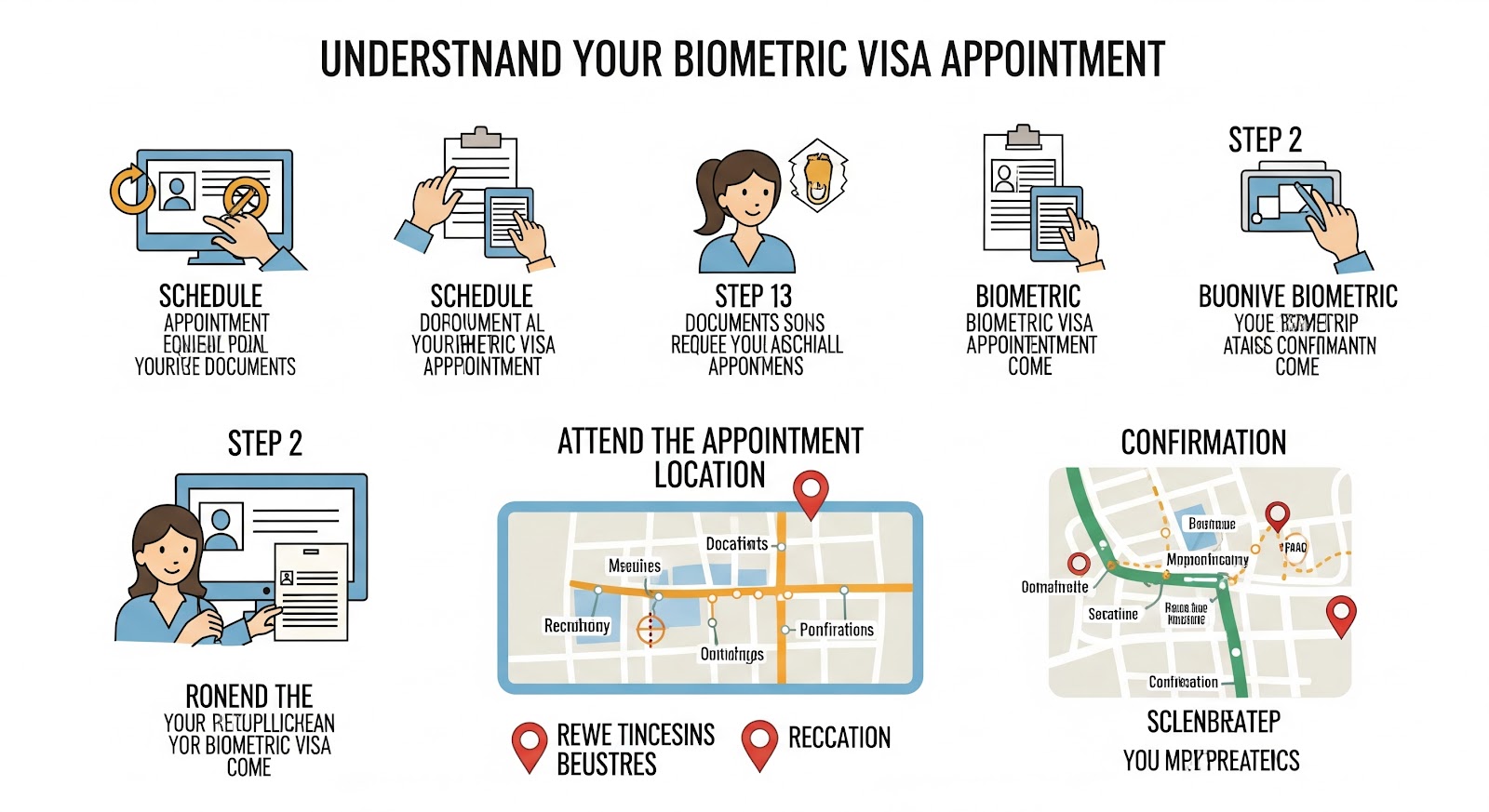
While specific forms and timelines vary, the general process for obtaining dependent visas follows a clear path.
The Primary Applicant's Approval: In most cases, you, the employee, must have your corporate visa approved first. Your approval notice becomes a key document for your family's applications.
Gathering Dependent Documents: You will need to build a separate application packet for each family member. This will include official, government-issued documents like your marriage certificate and your children's birth certificates. Note: These documents often need to be "apostilled," an official form of international legalization.
The Application and Interview: Each family member will submit their own application form. They will likely be required to attend a visa interview, where they may be asked simple questions to verify their relationship with you.
Conclusion
An international assignment is an unparalleled opportunity for professional growth and personal discovery. Being able to share that experience with your spouse and children transforms it from a job into a shared life adventure. The process of securing dependent visas requires careful planning and meticulous documentation, but the reward is immeasurable.
The documentation needs to be perfect, as a small error can cause stressful delays for the entire family. To ensure a seamless journey from Thane to your new global home, many companies and individuals rely on professional relocation and visa support. Working with an integrated travel and documentation group can streamline the entire process—from your primary visa to your family's applications and travel logistics—letting you focus on the exciting journey that lies ahead.
Frequently Asked Questions (FAQ)
1. We had a traditional wedding ceremony. Is our temple/gurdwara certificate enough for the visa?
No. For nearly all immigration purposes, you must provide an official marriage certificate issued by a government body (e.g., a Municipal Corporation or Registrar of Marriages). It is highly recommended to get your marriage officially registered long before you plan any international move.
2. Can I bring my dependent parents with me on my corporate visa?
No. Dependent visa categories under corporate work permits are strictly limited to legal spouses and minor children. Your parents cannot be included as dependents on your application. They would need to qualify for a separate visa, such as a visitor visa, on their own merits.
3. Will my spouse's work permit be approved at the same time as their dependent visa?
Not always. In many countries, the process is sequential. First, the dependent visa is granted, which gives them the right to live in the country. Then, upon arrival, they may need to apply separately for an Employment Authorization Document (EAD) or work permit, which can take several weeks or months to be issued.


Comments
Post a Comment