Navigating the Maze: A Comprehensive Guide to the Schengen Business Visa Application
The Schengen Area, a zone of 29 European countries that have abolished internal border controls, stands as a significant hub for global trade, innovation, and partnership. For professionals looking to tap into this vibrant economic landscape—be it for attending a crucial conference, negotiating a contract, or meeting with business partners—the Schengen Business Visa is the essential key. However, the application process can often seem like a complex maze of paperwork and procedures. This guide aims to demystify the process, providing a clear, step-by-step roadmap to successfully securing your Schengen Business Visa.

Understanding the Schengen Business Visa
First, it’s crucial to understand what a Schengen Business Visa is and what it permits. This is a short-stay visa (Type C) that allows you to enter and travel freely within the Schengen Area for business purposes for up to 90 days within any 180-day period. Permitted activities include attending meetings, conferences, trade fairs, and training sessions, as well as conducting negotiations and exploring business opportunities. It is explicitly not a work permit; you are not allowed to take up employment in a Schengen country with this visa.
Step-by-Step: The Application Journey
The application process, while detailed, is manageable if approached systematically.
Step 1: Identify the Correct Jurisdiction
Your first task is to determine which country's embassy or consulate you need to apply to. The rule of thumb is:
Apply to the country where your main business activities will take place (i.e., where you will spend the most time).
If you plan to spend an equal amount of time in multiple Schengen countries, apply to the country you will enter first.
Step 2: Complete the Application Form
You must fill out the uniform Schengen visa application form accurately and honestly. Most embassies now offer an online portal to complete this form. Double-check every entry for consistency with your supporting documents, as discrepancies are a common reason for rejection.
Step 3: Assemble the Document Arsenal
This is the most critical part of the process. While requirements can vary slightly between consulates, a standard set of documents is always needed:
Valid Passport: Issued within the last 10 years, valid for at least three months beyond your intended departure from the Schengen Area, and with at least two blank pages.
Application Form: A completed and signed copy.
Passport-sized Photographs: Two recent photos meeting specific ICAO standards (e.g., light background, no glasses, neutral expression).
Cover Letter: A letter from you or your employer detailing the precise purpose of your visit, your itinerary, and who is financing the trip.
Invitation Letter: An official invitation from the company or organization you are visiting in the Schengen Area. This letter should be on company letterhead and include the dates of your visit, the purpose, your details, and information about the business relationship.
Proof of Travel: A round-trip flight itinerary. It is advisable not to purchase the tickets until the visa is approved.
Proof of Accommodation: Confirmed hotel bookings or a letter from your host confirming your stay.
Travel Medical Insurance: A policy that covers emergency medical expenses, hospitalization, and repatriation (including in case of death) up to a minimum of €30,000. It must be valid for the entire duration of your stay in all Schengen countries.
Proof of Financial Means: Evidence that you can support yourself financially during the trip. This can include personal bank statements for the last three to six months, salary slips, and income tax returns.
Proof of Employment: A letter from your employer stating your position, salary, date of employment, and approval for the business trip. If self-employed, you will need to provide proof of business registration, tax returns, and company bank statements.
Proof of Civil Status: Such as a marriage certificate or birth certificates of children, which help establish ties to your home country.
Step 4: Book and Attend Your Appointment
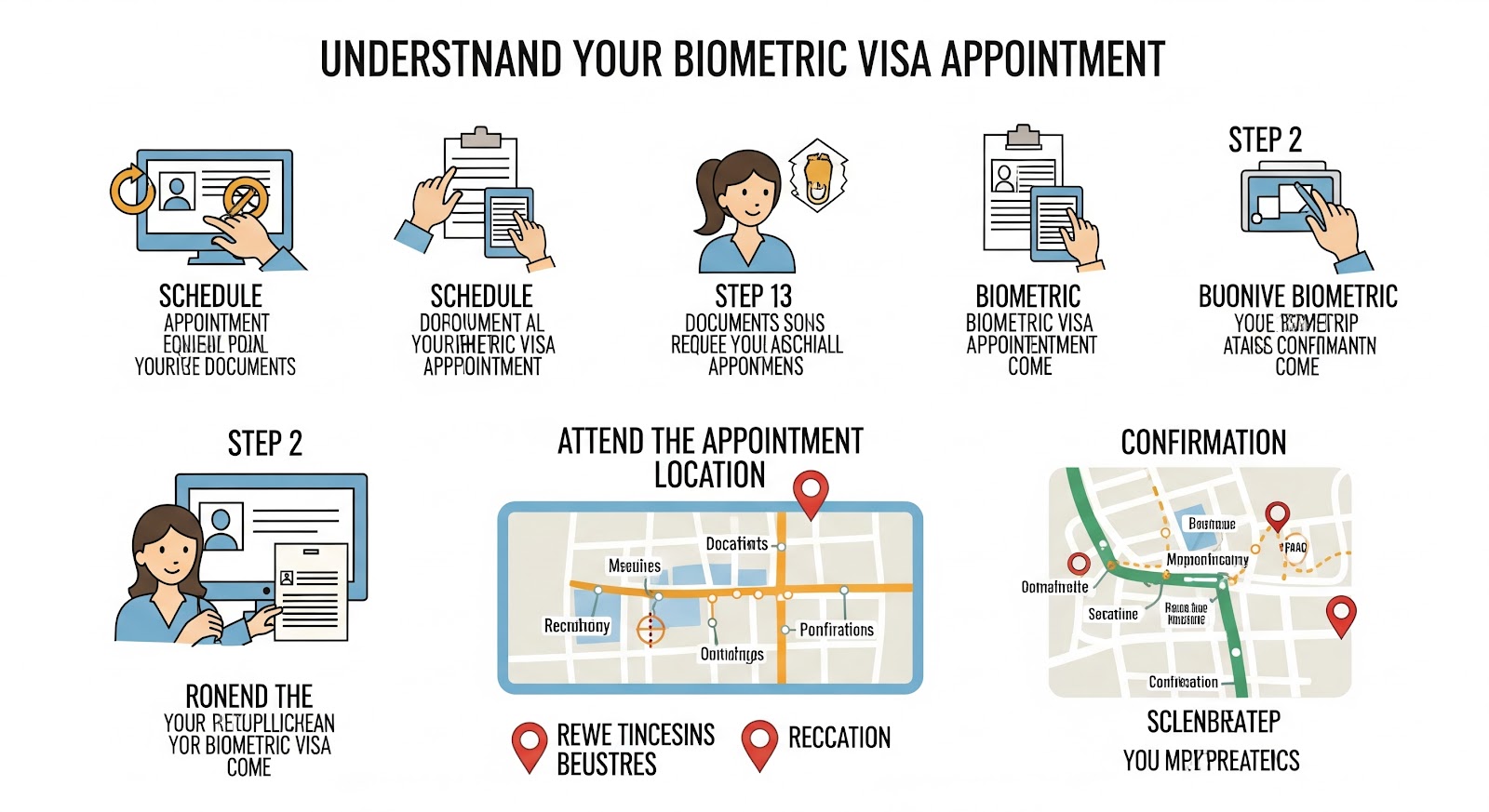
Once your documents are in order, book an appointment at the designated Visa Application Centre (VAC) or the consulate itself. You will submit your application, provide biometric data (fingerprints and a digital photograph), and may be asked a few questions about your trip.
Tips for a Successful Application
Apply Early: You can apply up to six months before your trip. It is highly recommended to apply at least 3-4 weeks in advance to account for processing times.
Be Meticulous: Ensure every document is present, correctly filled out, and consistent. The visa officer's decision is based entirely on the file you present.
Demonstrate Strong Ties to Home: The consulate needs to be convinced that you will return to your home country. Strong evidence of employment, family commitments, and property ownership can significantly strengthen your application.
Clarity is Key: Your cover letter and invitation letter should leave no doubt about the purpose of your visit. Vague or generic statements can raise red flags.
Conclusion
The Schengen Business Visa application process demands diligence and attention to detail. By understanding the requirements, preparing your documentation meticulously, and presenting a clear and honest case for your travel, you can navigate the process successfully. For companies that frequently send employees to the Schengen zone, managing multiple applications can become a significant administrative burden. This is where professional visa assistance can be invaluable. Leveraging specialized corporate services can streamline the entire process, from document verification to appointment scheduling, ensuring a higher success rate and allowing your team to focus on their core business objectives.
Frequently Asked Questions (FAQ)
Q1: How long does it take to process a Schengen Business Visa?
A: The standard processing time is 15 calendar days. However, this can be extended up to 45 days in individual cases, especially during peak seasons or if additional scrutiny is required. It is always best to apply well in advance of your planned travel date.
Q2: Can I travel to other Schengen countries with a business visa issued by one country?
A: Yes. A Schengen visa issued by any member state is valid for the entire Schengen Area. However, you must apply to the consulate of your main destination. Once you have entered the Schengen zone, you can travel freely to any of the other member countries within the validity of your visa.
Q3: What is the main difference between a business visa and a tourist visa?
A: The primary difference lies in the purpose of travel and the supporting documents required. A business visa is for professional activities like meetings, conferences, or negotiations and requires documents like an invitation letter from a business partner and a letter from your employer. A tourist visa is for leisure and sightseeing and requires proof of a tourism-based itinerary and accommodation.
Q4: What should the invitation letter from the Schengen-based company contain?
A: The invitation letter is a crucial document. It should be printed on the company's official letterhead and include:
Your full name and passport number.
The full name and address of the inviting company.
The exact dates and purpose of your visit.
A detailed itinerary of your business activities.
A statement confirming who will bear the financial responsibility for your travel and accommodation expenses.
The signature and contact details of the person authorizing the invitation.


Comments
Post a Comment