The Consultant's Passport: A Guide to Corporate Visas for Engineering Consultants
In the bustling economic landscape of India, from the corporate offices in Mumbai to the tech parks in Pune, engineering firms are increasingly competing on a global scale. An Indian consultancy might win a bid for a major infrastructure project in Africa, while a European firm might need to bring its top specialists to a new metro project in Delhi. In this dynamic environment, the most critical asset is expertise, and the biggest hurdle is often geography.
The ability to move highly skilled engineering consultants across borders swiftly and legally is paramount. This is managed through the corporate visa process—a complex but essential component of modern engineering. For firms and consultants, viewing this process not as a bureaucratic chore but as a strategic function is the first step toward seamless global operations.

Phase 1: Project Assessment and Strategic Visa Selection
Before any application is filed, a thorough assessment is crucial. The nature of the engineering project itself dictates the type of visa required. Firms must ask:
What is the project duration? A short-term assignment of three months for a site survey requires a different visa than a three-year deployment to manage a full construction cycle.
What is the consultant's role? Is the consultant a manager being transferred within the company (ideal for an Intra-Company Transfer or L-1 visa), or a new hire with specific skills (requiring a Skilled Worker visa)?
What does the destination country prioritize? Countries like Canada and Australia use points-based systems that favour engineers with specific qualifications and experience. Gulf nations like the UAE or Qatar often have visa systems directly tied to the project contract.
Choosing the wrong visa strategy can lead to costly delays and rejections, potentially jeopardizing project timelines before they even begin.
Phase 2: Building the Documentation Dossier
A visa application for an engineering consultant is a technical dossier that must be precise and irrefutable. Beyond standard identification, the core of the application rests on proving the necessity and legitimacy of the consultant's role. Key documents include:
The Statement of Work (SOW): This is the cornerstone. The SOW must meticulously detail the consultant's responsibilities, the project's scope, and the specific skills they bring. It must be written for an immigration officer, not just another engineer, avoiding overly technical jargon where possible.
Client and Employer Support Letters: A letter from the employer outlining the assignment's details must be complemented by a letter from the end-client in the destination country. This client letter confirms the need for the consultant's presence on-site and validates the project's authenticity.
Attested Credentials: For Indian consultants travelling abroad, the attestation of educational and professional documents is a vital step. This multi-stage process (involving state authorities, the Ministry of External Affairs, and the destination country's embassy) authenticates the documents for international use.
Phase 3: The Application, Interview, and Timeline Management
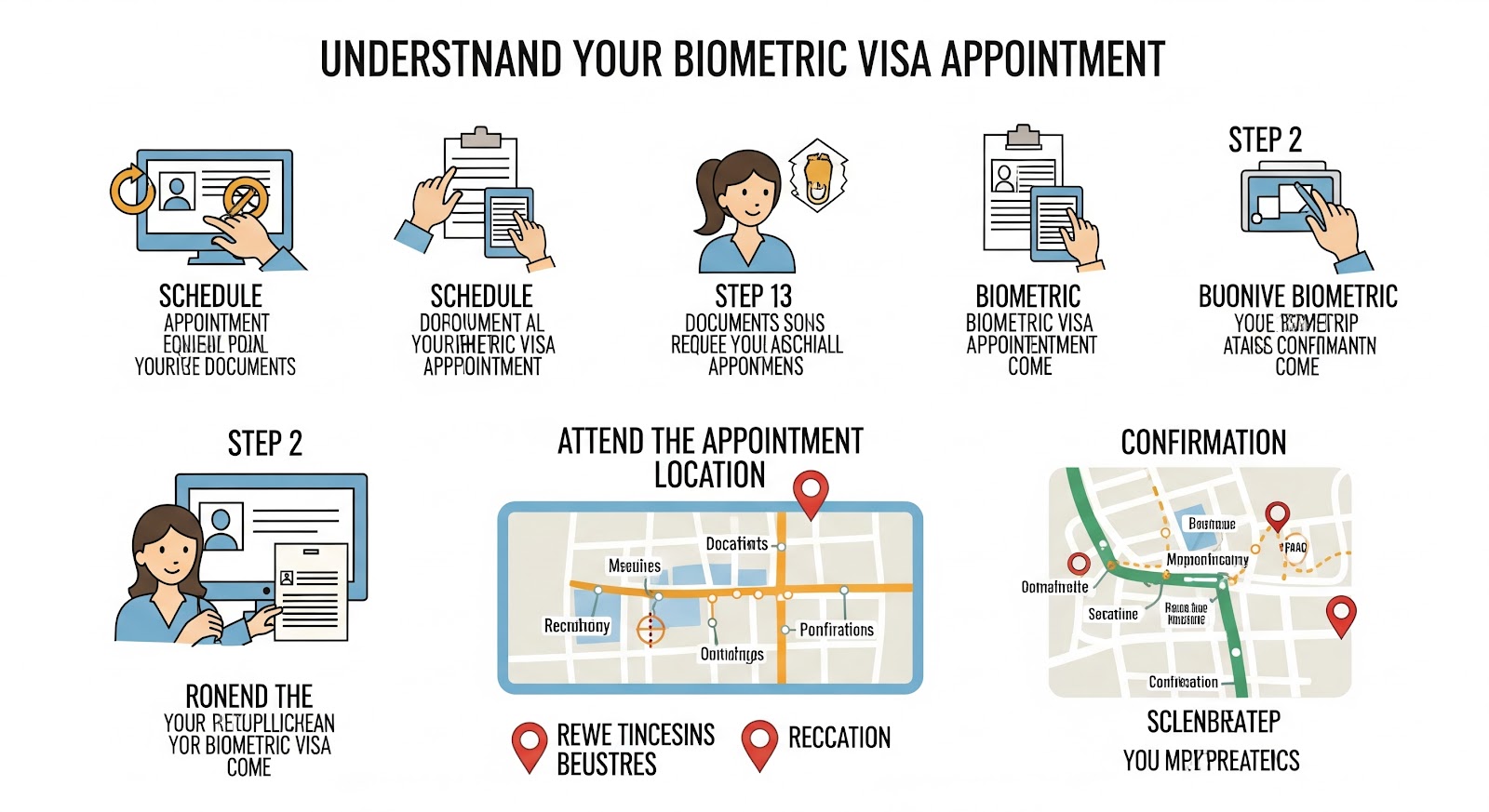
With the dossier complete, the formal application is filed. This often involves online forms, fee payments, and scheduling a biometric appointment. For many work visas, a consular interview is the final hurdle. The consultant must be prepared to confidently and clearly explain their role, the project, and their intention to comply with all visa regulations.
The biggest challenge in this phase is time. Visa processing can take anywhere from a few weeks to many months. Engineering firms must factor these timelines into their project planning, initiating the visa process far in advance of the consultant's required start date to avoid costly standstills on-site.
Conclusion
For an engineering firm, the ability to deploy talent globally is a measure of its operational strength and market responsiveness. A well-managed immigration strategy ensures that project deadlines are met, client expectations are fulfilled, and the firm’s reputation for excellence is maintained across borders. Ultimately, a streamlined and compliant process for the corporate visa for engineering consultants is as critical to a project's success as the blueprints themselves.
Frequently Asked Questions (FAQ)
1. What is 'attestation' and why is it crucial for an Indian engineer's visa application?
Attestation is the process of certifying the authenticity of educational and professional documents so they are legally recognized in a foreign country. For an Indian engineer, this means their degree certificates and other qualifications are verified by various government bodies before being accepted by the destination country's embassy, a mandatory step for most long-term work visas, especially in the Middle East.
2. Can a consultant work on-site while on a short-term Business Visitor Visa?
This is a critical point of compliance. A business visa typically only allows for activities like attending meetings, negotiations, or conferences. It strictly prohibits hands-on, productive work or earning a salary from a local source. Performing engineering duties on a business visa can lead to severe penalties for both the consultant and the company.
3. How does a project-based visa differ from a standard work permit?
A project-based visa's validity is directly tied to the duration of a specific project or contract. If the project ends, the visa expires. A standard work permit (or skilled worker visa) is often tied to the employer in general and may offer a more straightforward path to renewal or even permanent residency, independent of a single project's lifecycle.


Comments
Post a Comment